


Jennifer Holness
Director, Writer, Producer
Jen is a happy workaholic. She writes, produces, and directs. She is a 2021 Indiescreen Producer of the Year award-winner, has received the 2022 WIFT Award of Creative Excellence and was selected by THR as one of the 40 Most Influential Women in International Film in 2023 and in 2024 was voted by THR as one of the Most Powerful Women in Canadian Entertainment.
Jen is currently in postproduction on Director RT Thorne’s (The Porter) feature film, 40 Acres. Other features include, Home Again that she co-wrote, and Love, Sex and Eating the Bones. Both movies sold globally and won numerous festival awards, including the Best First Feature Film Award at TIFF for Bones.
She directed the feature documentary, Subjects of Desire that premiered at SXSW, followed by Hot Docs where it was a Top Ten Audience favourite and was a TIFF Top Ten Film in 2022.
Jen co-created and produced the doc series BLK: An Origin Story for History and Global TV about Black Canadian history. The series won 5 Canadian Screen Awards in 2023, including a Best Series Direction for Jen.
She co-produced Michele Stephenson’s Stateless, a festival favourite that won the 2020 Hot Doc’s Special Jury Prize. Her TV documentaries include Speakers For The Dead (CBC), Badge of Pride (CBC & PBS), Brick By Brick (Omni) and Yin Yin Jade Love (TVO).
Jen created the TV series, Shoot The Messenger and the multiple award winning mini-series, Guns for CBC where she shares Canadian Screen Award for Best Writing.
She is a Founder and Inaugural Chair of the Black Screen Office and Co-Chair of CISF. She’s also a CMPA board member.
Jen has three daughters, two dogs, and one husband. All of them keepers.
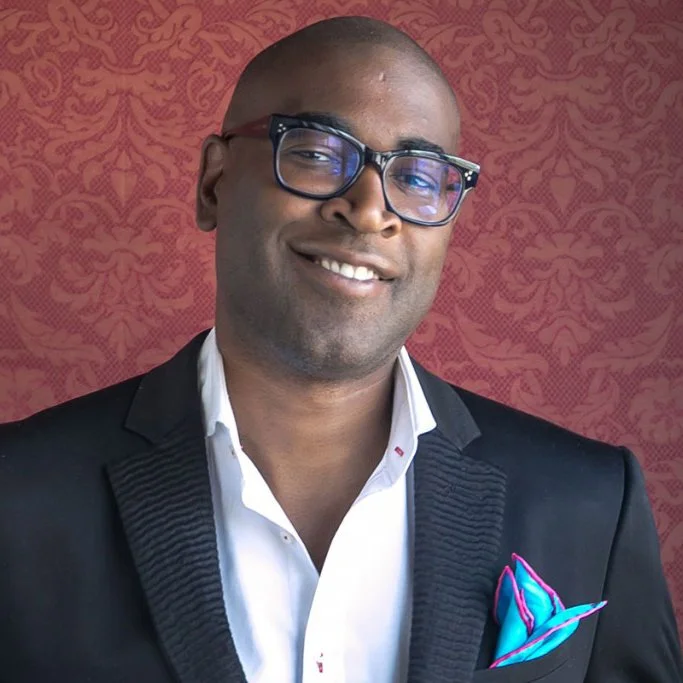
Sudz sutherland
Director, Writer, Producer
Sudz started writing stories that matter on his mother’s Smith-Corona in grade one, it was a western about a Black Cowboy. He continues to fill blank pages on his iPad every day. Starting with music videos and award winning short films, Sudz and his partner Jen Holness started Hungry Eyes Media, a production company that makes features, docs, drama and comedy series and the occasional Mobile Game.
We make stories for eyes that are hungry for representation. Growing up when he didn’t see much people who looked like him on television put a fire in his belly that he still hasn’t quenched.
Sudz has directed two award winning features as well as over 75 hours of television on shows as diverse as Batwoman, The Flash, Blindspot, Netflix’s Designated Survivor, CW’s Reign, Murdoch Mysteries, and many others. He’s won an International Emmy (The Phantoms) and 3 CSAs for Best Director. He also co-created the series She’s the Mayor (VisionTV) and Shoot the Messenger and Guns (CBC). He lives with his wife, three teenage daughters and a white fluffy dog named Shiloh.
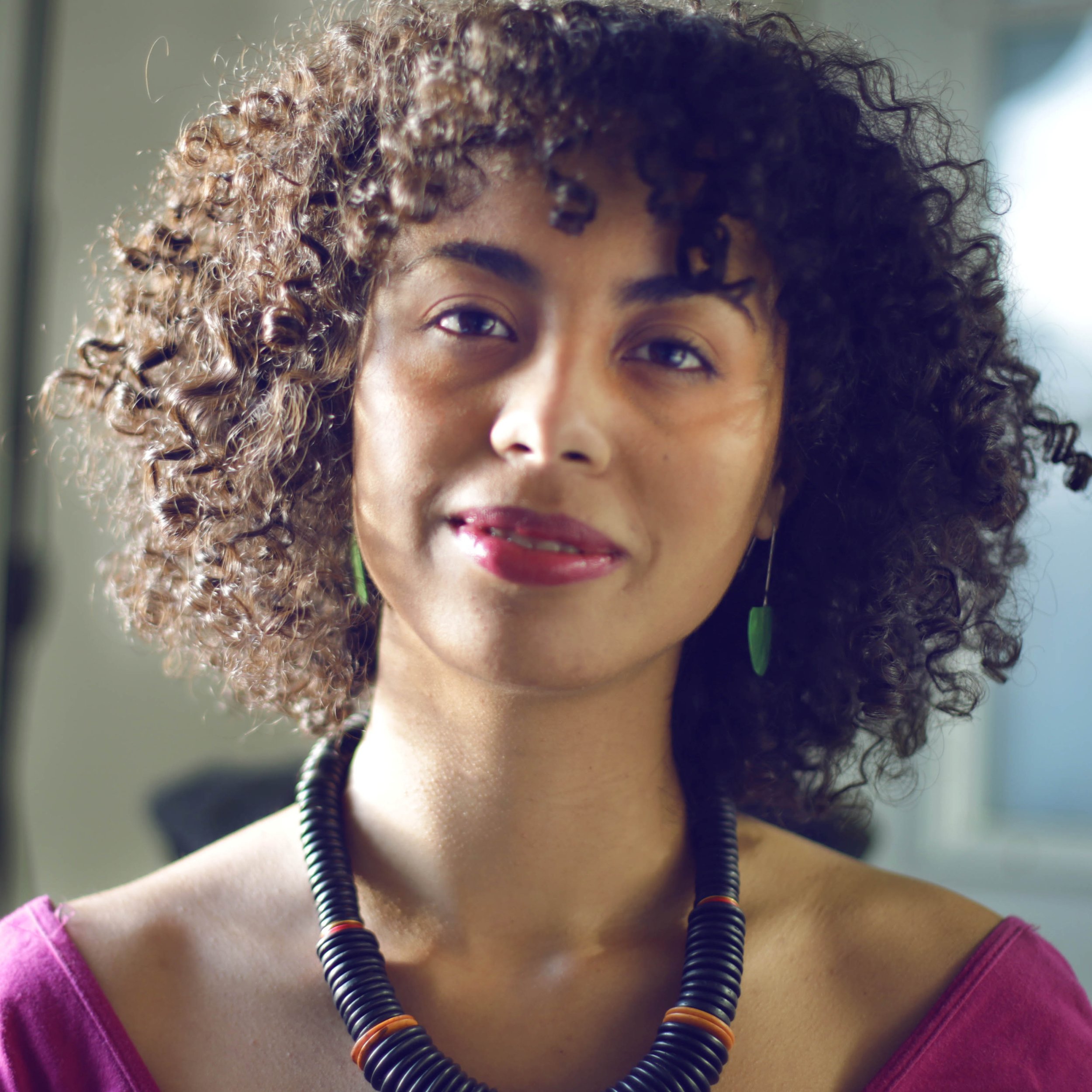
Maya annik Bedward
Director
Maya Annik Bedward is a Jamaican-French Canadian filmmaker and co-founder of Third Culture Media. Her work has screened at Hot Docs, TIFF, Black Star and the New Orleans Film Festival. She is a fellow of the EFM DocSalon Toolbox Programme and a winner of the WIFT-T Audience Choice and Best in Show Award. Her latest film Why We Fight is currently streaming on CBC Gem.
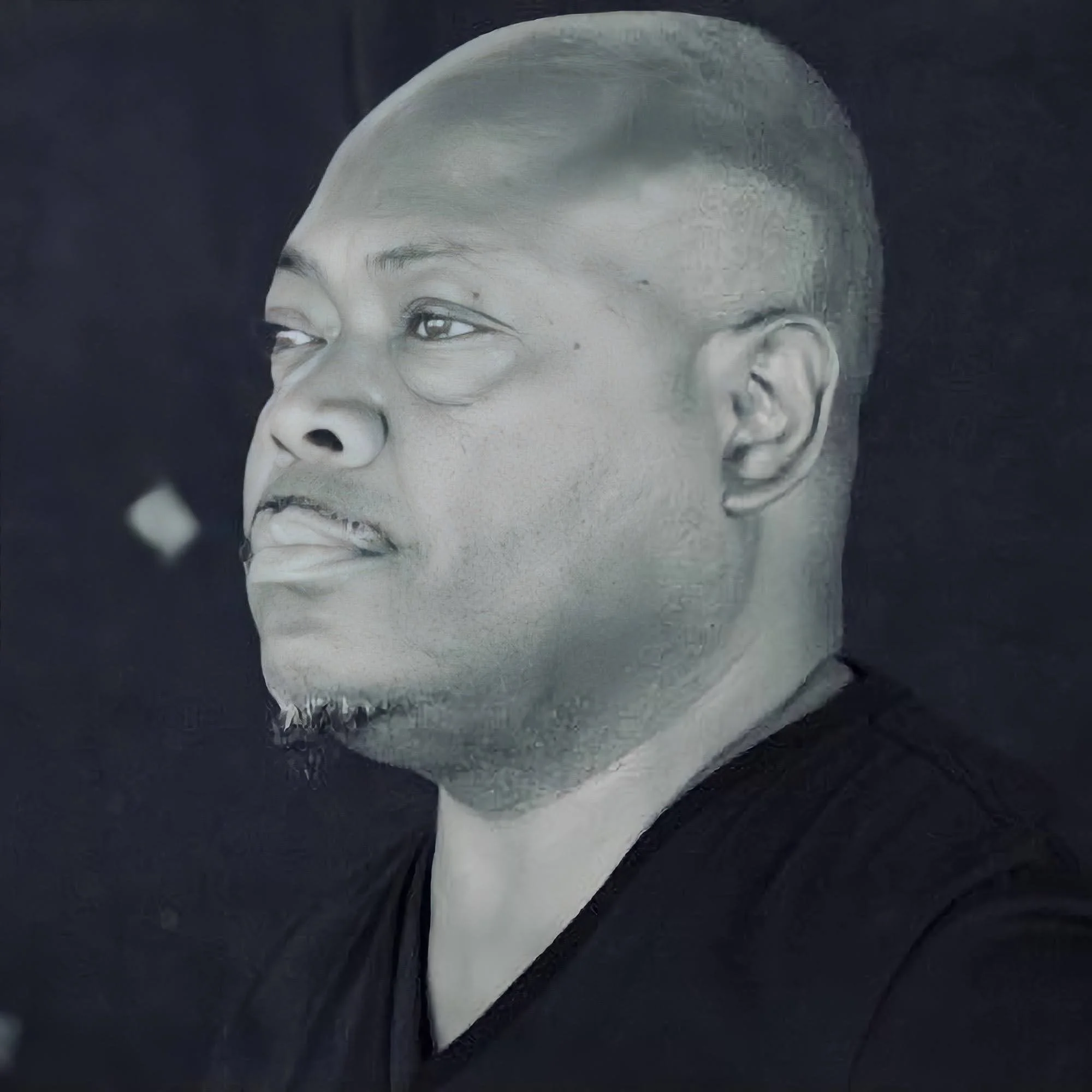
Ricardo diaz
Director of Photography
Ricardo specializes in feature films, documentaries, lifestyle T.V., commercials and music videos. He is an expert in all formats. Ricardo is known for his talent for lighting and for his quiet and professional demeanour on set; while having fun at the same time. If you know Ricardo, then you know his love of “Juicy Fruit”! His talents have not gone unnoticed; on the contrary, Ricardo has been recognized in the industry and has many awards under his belt. Ricardo is a husband and the proud father of three children, consistently volunteering his time and energy to helping aspiring filmmakers.
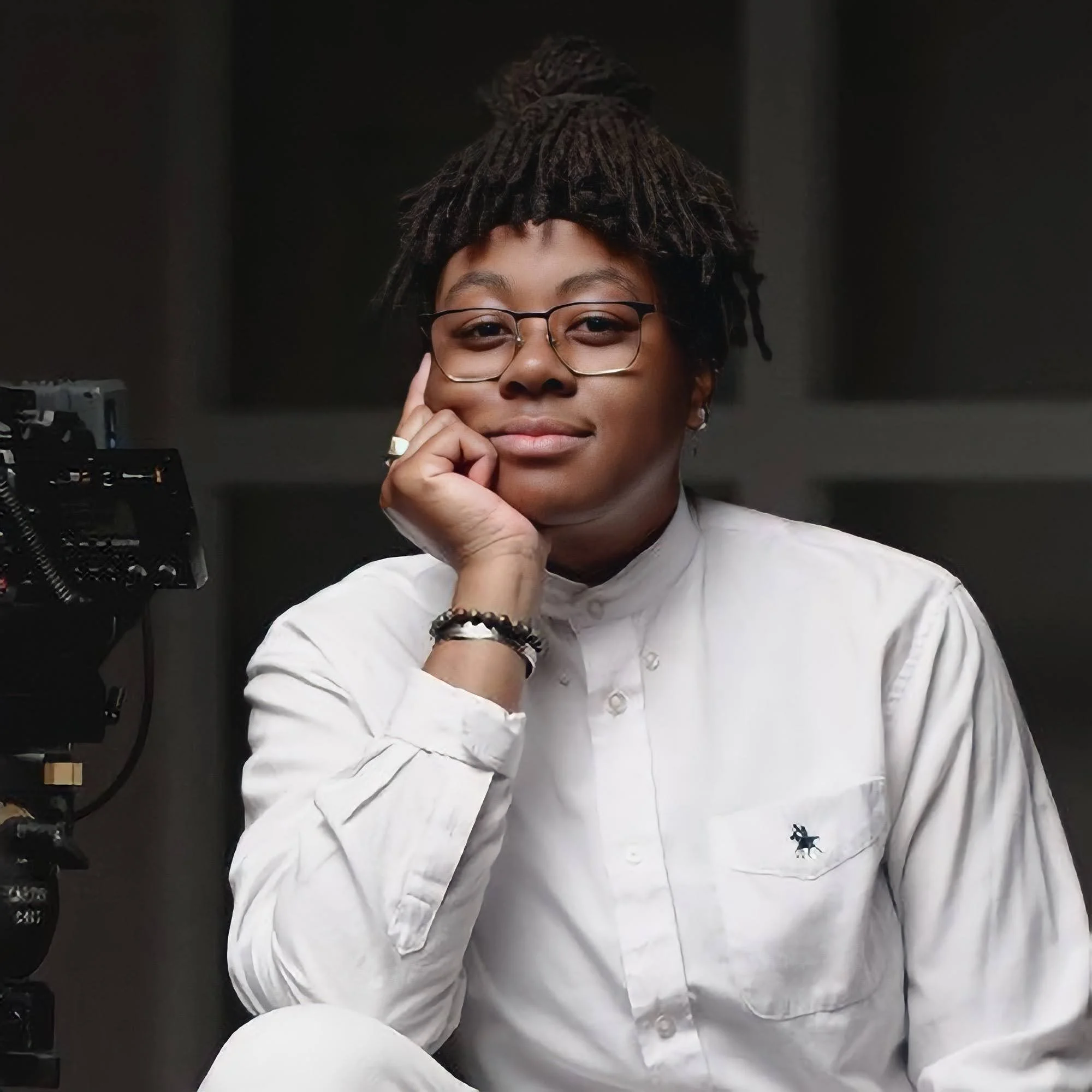
Ashley iris gill
Operator Camera
Ashley Iris Gill is a queer Toronto-based cinematographer, director and editor. Her interest in film peaked by way of writing as a child, and the curiosity to bring her writing to life got her to pick up a camera. She fell deep in love with editing and learned a lot through post-production. To this day she still enjoys editing but you will often find her behind a camera. She has directed, shot, and edited a number of different projects from music videos, documentaries to commercials. Some of the clients she's collaborated with have been Mercedes Benz Canada, BMO, Absolut Vodka, Sprite in collaboration with the NBA, Rogers, Pet Valu, and Nike to name a few. Ashley spent the last 4 years as an in-house cinematographer/director/editor at Video Nerve, a division of Publicis, and now freelancer as a represented Cinematographer at Sesler . Ashley's cinematography is often described as emotive, intimate, vulnerable and she has the ability to make people comfortable in front of her lense. She plans to continue capturing the world through her unique perspective.

kaisa pitsi
Editor
Kaisa Pitsi is an Estonian-Canadian filmmaker living in Toronto. She has over twelve years of experience in documentary editing.
A lot of her experience is in natural history series and documentaries focusing on underrepresented voices. She’s a poetic storyteller who’s passionate about social justice, history, arts and innovation.
Kaisa’s films have screened in festivals including HotDocs, Whistler, Al Jazeera International Film Festival, Cambodian International Film Festival, Fantastic Fest, and POFF-Black Nights Film Festival.
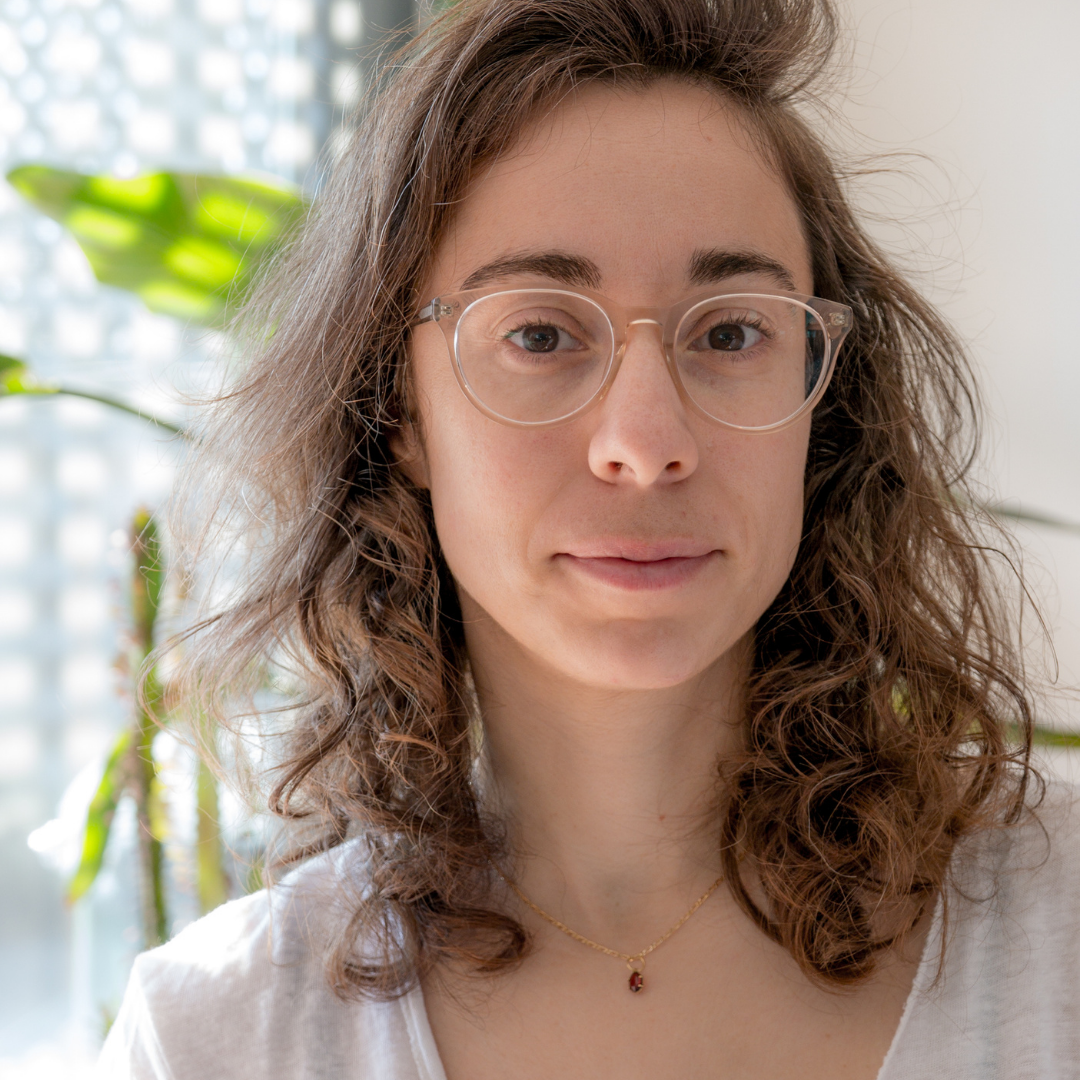
Caitlin durlak
Editor
Caitlin Durlak is an award-winning Canadian filmmaker whose non-fiction work has spanned many different mediums, including web series, short film, feature film and VR storytelling. Her short film, Persistence of Vision, premiered at the 2015 Images Festival where it won prizes for best local film and best student film, and was also awarded Best Short Film at the Air Canada En Route Film Festival. Durlak is an MFA graduate of Ryerson University’s Documentary Media program, alumni of Hot Docs’ Doc Accelerator Emerging Filmmaker Lab and the RIDM Talent Lab. In addition to directing, Durlak produced her first feature-length documentary, Mermaids, directed by Ali Weinstein, which was made in association with the Super Channel and premiered at Hot Docs in 2017. Dropstones is Durlak’s mid- length directorial debut, on which she was also the producer, cinematographer and editor.

Avrïl Jacobson
Editor
Avrïl Jacobson, CCE is a Toronto-based editor, story editor and consultant. Feature film work includes Jaddoland (Independent Spirit Award 2020), My Prairie Home (Sundance 2014), Michael Shannon Michael Shannon John (Hot Docs 2016) and The Prison in Twelve Landscapes (Hot Docs 2016) which was selected as a New York Times Critics’ Pick. In television, Avrïl’s work includes The Boyz II Men Effect for This Is Pop, The Skin We’re In and In the Making. In 2011, Avrïl received a Gemini Award for Best Picture Editing in a Documentary Program or Series. Airborne, a video installation edited for Spring Hurlbut, was acquired by the National Gallery of Canada in 2008.

Lawrence jackman
Editor
Lawrence Jackman is a Toronto-based filmmaker. Over the past fifteen years he has worked as director, editor and consultant on many award-winning documentaries and dramas. He was the director of How Does It Feel (2011) and co-director of A Better Man (2017).

derek mccants
Editor
Derek McCants has been an editor since the early 80’s, having worked in NYC, LA, and now Toronto.
His background is extensive in editing nonfiction programming, with additional work in comedy, daytime drama, features, and trailers. A long list of varied credits includes PBS’s documentaries Nova and Witnesses to the Holocaust, The Trial of Adolph Eichmann, Whoopi Goldberg’s A Laugh And A Tear, Jerry Bruckheimer’s Profiles From The Front Line, and Arnold Shapiro's Beyond Scared Straight series.
His work in dramatic programming crosses a broad spectrum from editing ABC’s General Hospital and the pilot and series for it’s spinoff Port Charles, to assisting Terrence Malick’s team of editors on the Oscar-nominated The Thin Red Line.
In reality television his credits encompass Big Brother, America’s Next Top Model, Top Gear, and the inaugural season of Real Housewives of Orange County on which all the spin-offs were based and a network branded.
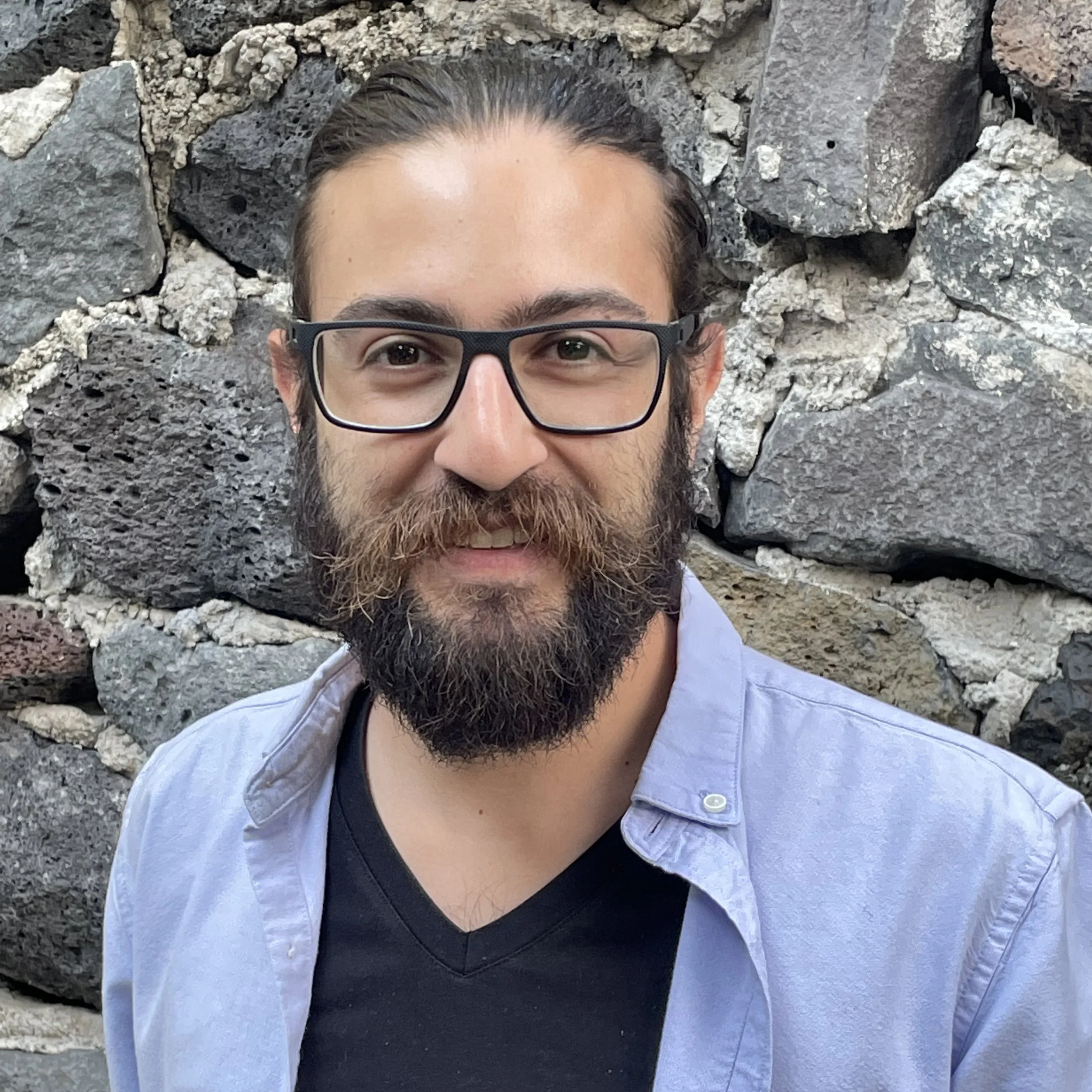
carlos sanchez
Editor
Carlos Sanchez is a Post Supervisor and Assistant Editor with over 7 years of experience in the film industry. Working in both Mexican and Canadian productions, Carlos has built strong teamwork and communication skills. He loves music and has an easy going personality.

tom third
Composer
Tom Third has scored over 250 hours of film and television, and has been nominated for the Canadian Screen Award seven times, winning in both 2010 and 2014. He was also the winner of the 2004 Volkswagen Score Competition sponsored by the Berlin Film Festival and juried by Walter Murch. After graduating from The Ontario College of Art, with a major in new media and film studies, he went on to sign a recording deal with Nettwerk Productions, and then pursued film scoring after the release of three critically acclaimed electronica CD’s. His work can be seen globally in dramatic series and documentaries for Showtime, HBO, FOX, NBC, PBS, CTV, and CBC. Recent projects have included four seasons of CORONER for CBC and CW, CERTAIN PREY, produced by Mark Harmon for USA NETWORK, THE LISTENER, for CTV and FOX, and SHOOT THE MESSENGER for CBC. Tom also regularly collaborates with fine artists on more experimental film and installation works that have shown at art galleries throughout the world.

craig fleming
Producer
Craig Fleming is a Film and Television producer based in Toronto, Canada. Over his 20+ career as been a part of the Canadian media landscape he has produced projects for almost every medium and genre.
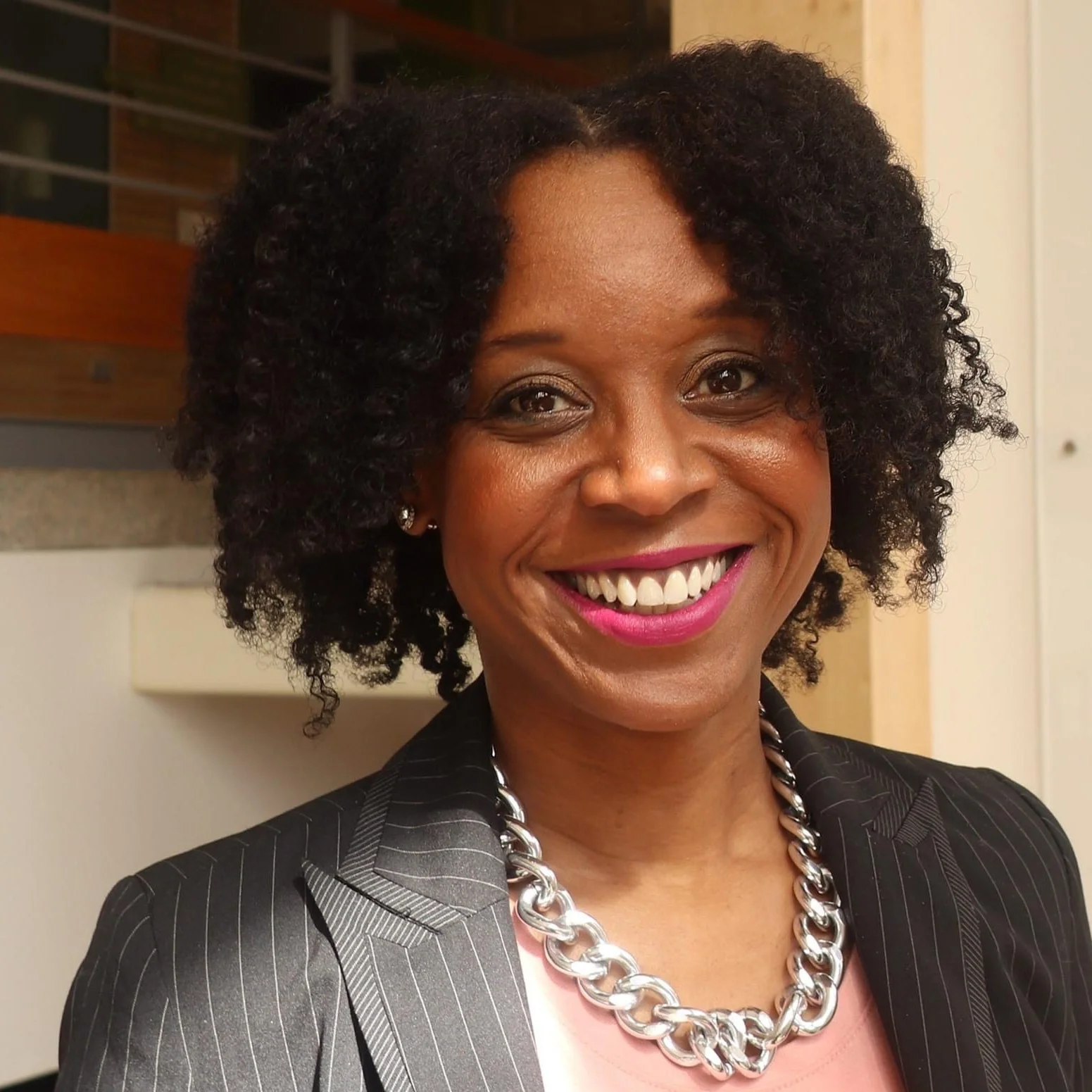
khalilah brooks
Associate Producer
Khalilah has over 25 years in the entertainment industry. With a background in Musical Theatre and Digital Media, Khalilah was able to combine her education in Social Work and Film to create leading and innovative content within the Children's Media Sector Such as, Aunty B and Friends.
In the last 4 years, she's been the recipient of: Centennial College Dean's Award Entrepreneurship and Innovation, MJKO Inspirational Award, Black Women Role Model of the Year Award from James Maloney, Playing For Keeps Leadership Award, Canadian Small Business Award.
Now in 2022, you can find her behind the scenes working on documentaries series and writing children content while sharing her time as a volunteer for BIPOC TV & Film (Black Indigenous People of Color), she's a member of WIFT-T (Women In film and television- Toronto) and a board member of Arts Etobicoke.
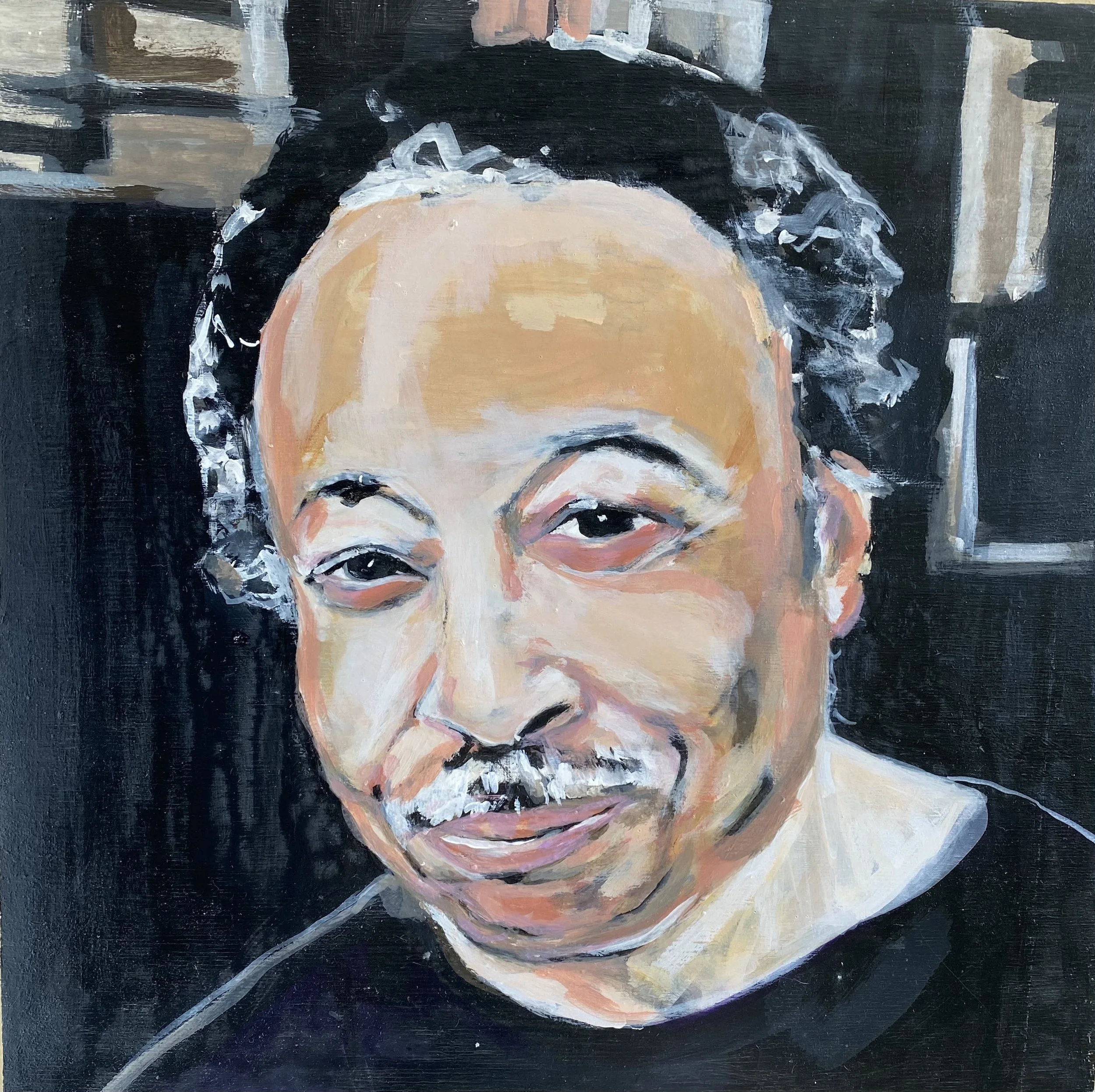
George Elliott Clarke
Poet, novelist, playwright, and critic George Elliott Clarke was born near Windsor, Nova Scotia and grew up in Halifax. He earned his BA from the University of Waterloo, MA from Dalhousie University, and PhD from Queen’s University in Kingston, Ontario. He is the author of numerous collections of poetry including Saltwater Spirituals and Deeper Blues (1983), Lush Dreams, Blue Exile: Fugitive Poems 1978-2993 (1994), Execution Poems: The Black Acadian Tragedy of George and Rue (2001), which won the Governor General’s Literary Award, Illuminated Verses (2005), Black (2006), and the dramatic poem Trudeau: Long March, Shining Path (2007).
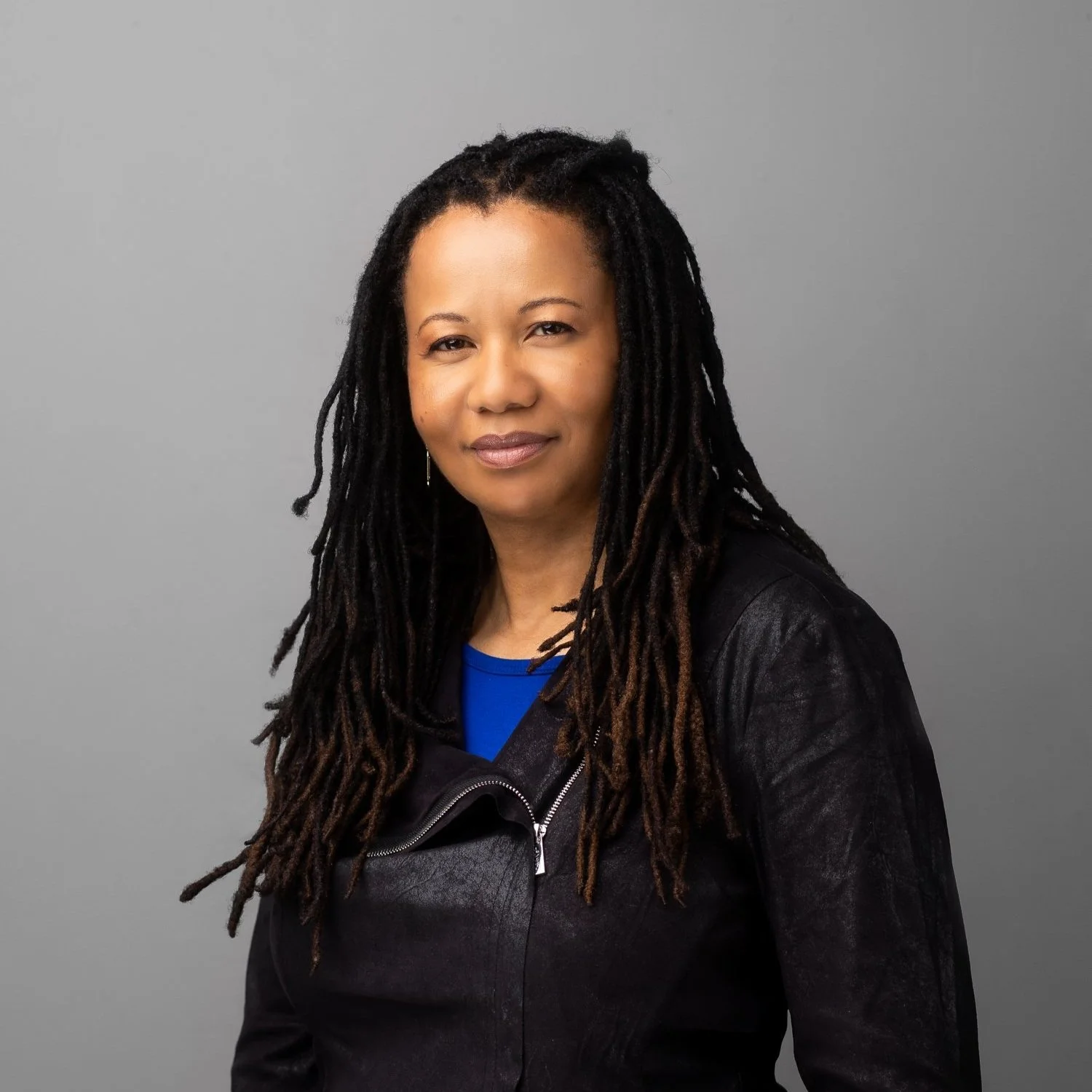
Dr. Charmaine Nelson
Charmaine A. Nelson is a Professor of Art History and a Tier I Canada Research Chair in Transatlantic Black Diasporic Art and Community Engagement at Nova Scotia College of Art and Design (NSCAD) University in Halifax, Canada where she is also the founding director of the Institute for the Study of Canadian Slavery. Prior to this appointment she worked at McGill University (Montreal) for seventeen years (2003-2020) and at Western University for two (2001-2003). An award winning-teacher and prolific lecturer, Nelson has made ground-breaking contributions to the fields of the Visual Culture of Slavery, Race and Representation, and Black Canadian Studies including authoring seven books, among them: The Color of Stone: Sculpting the Black Female Subject in Nineteenth-Century America (2007), Slavery, Geography, and Empire in Nineteenth-Century Marine Landscapes of Montreal and Jamaica (2016), and Towards an African Canadian Art History: Art, Memory, and Resistance (2018). She is also actively engaged with lay audiences through her media work including ABC, CBC, CTV, BBC One, PBS, Huffington Post Canada and The Walrus. Nelson has held several prestigious fellowships and appointments including a Caird Senior Research Fellowship, National Maritime Museum, Greenwich, UK (2007) and a Fulbright Visiting Research Chair, University of California – Santa Barbara (2010), the William Lyon Mackenzie King Visiting Professorship in Canadian Studies at Harvard University (2017-2018), and a Fields of the Future Research Fellowship at Bard Graduate Center in New York City (2021).
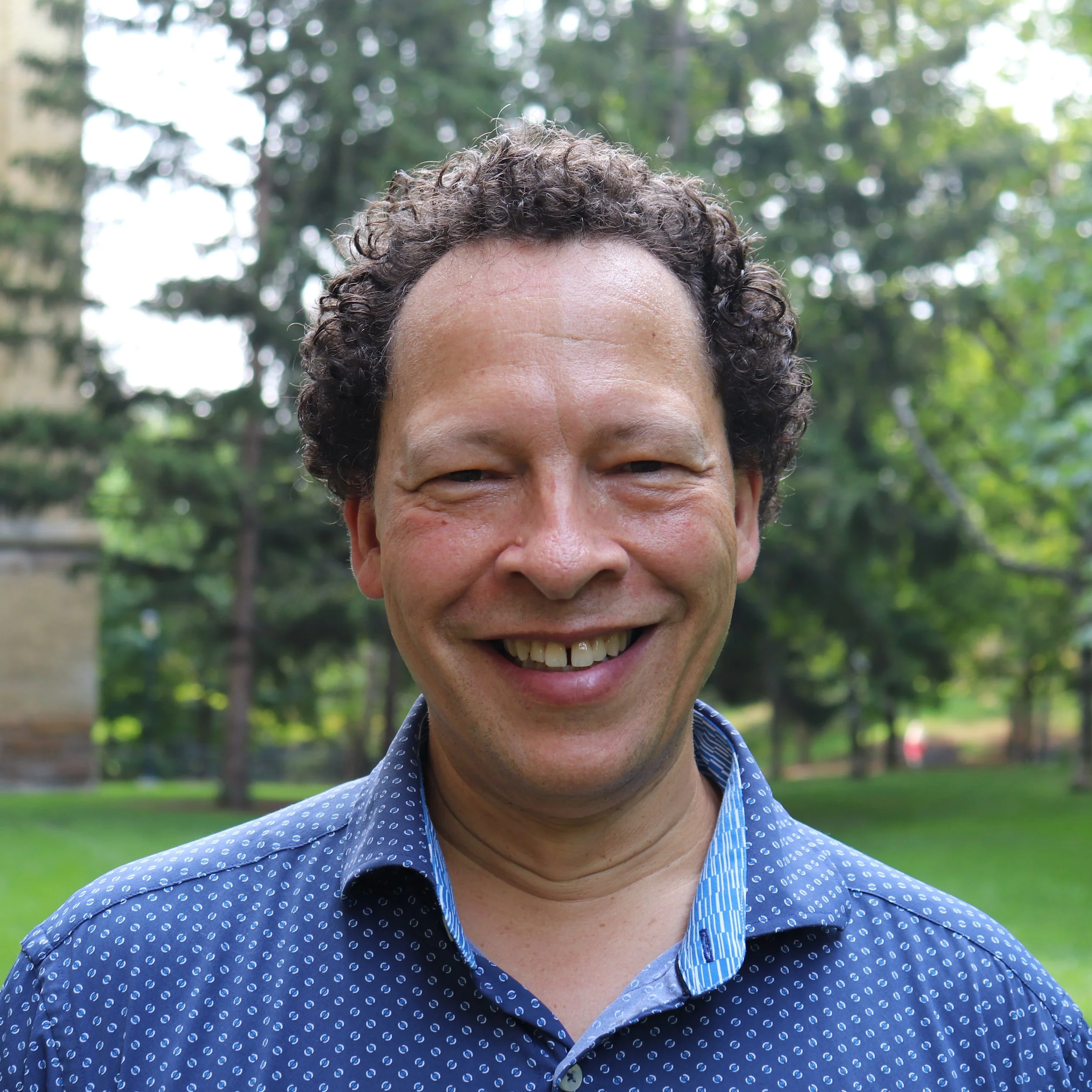
Lawrence hill
Lawrence Hill is the best-selling author of eleven books including Beatrice and Croc Harry, The Book of Negroes and The Illegal, both of which won CBC Canada Reads. He teaches creative writing at the University of Guelph.
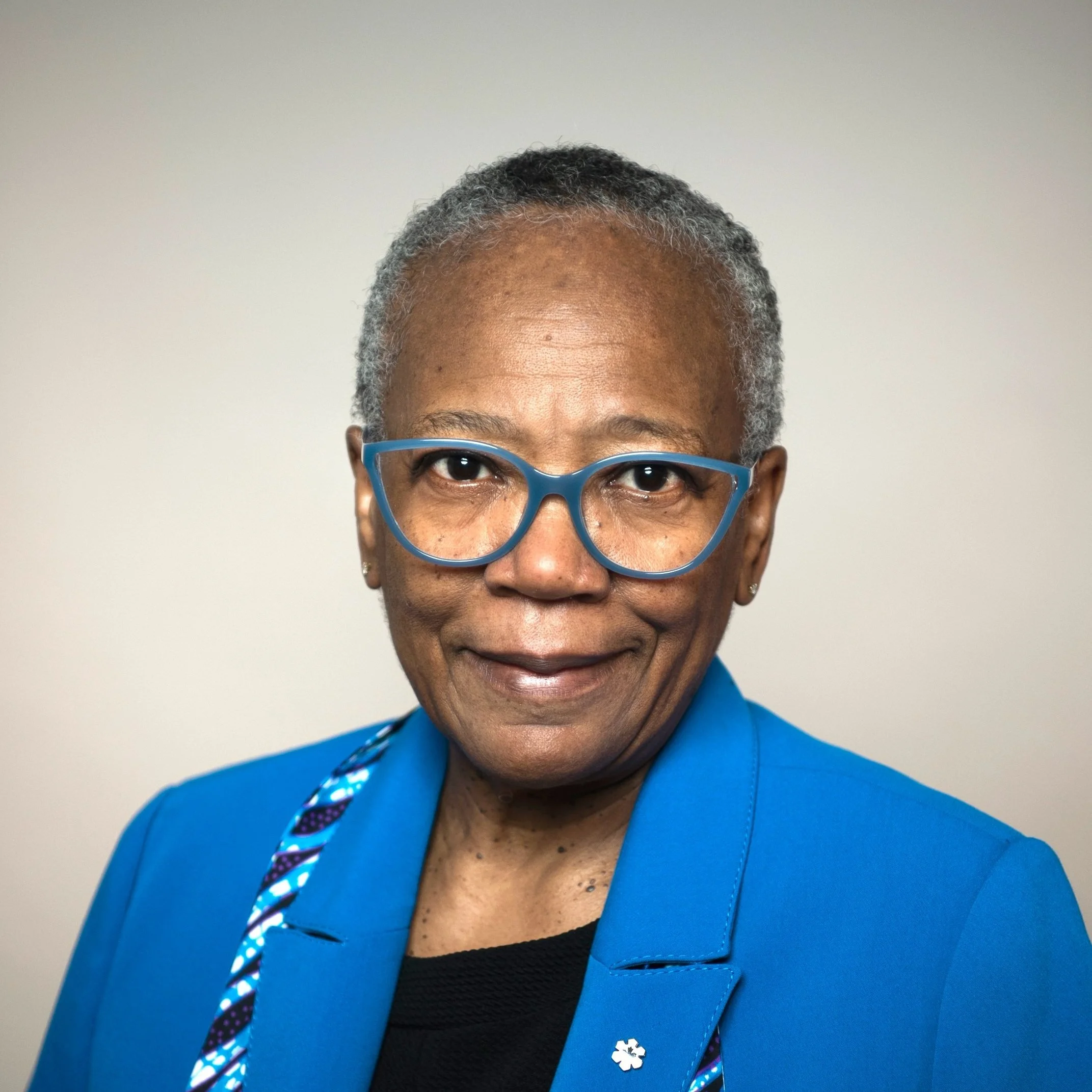
Wanda bernard
Senator Wanda Thomas Bernard is the first African Nova Scotian woman to be appointed to the Senate of Canada, representing the province of Nova Scotia and her hometown of East Preston. Senator Bernard champions issues impacting African Canadians and people living with disabilities. She is particularly invested in human rights, employment equity, and mental health. Through her involvement in community projects, her social work career, her time with Dalhousie School of Social Work, and now her work in the Senate, Senator Bernard has maintained a deep dedication to social justice and racial justice. Senator Bernard advocates for reparations for the historic and continued anti-Black racism impacting the lives of African Canadians in her work.
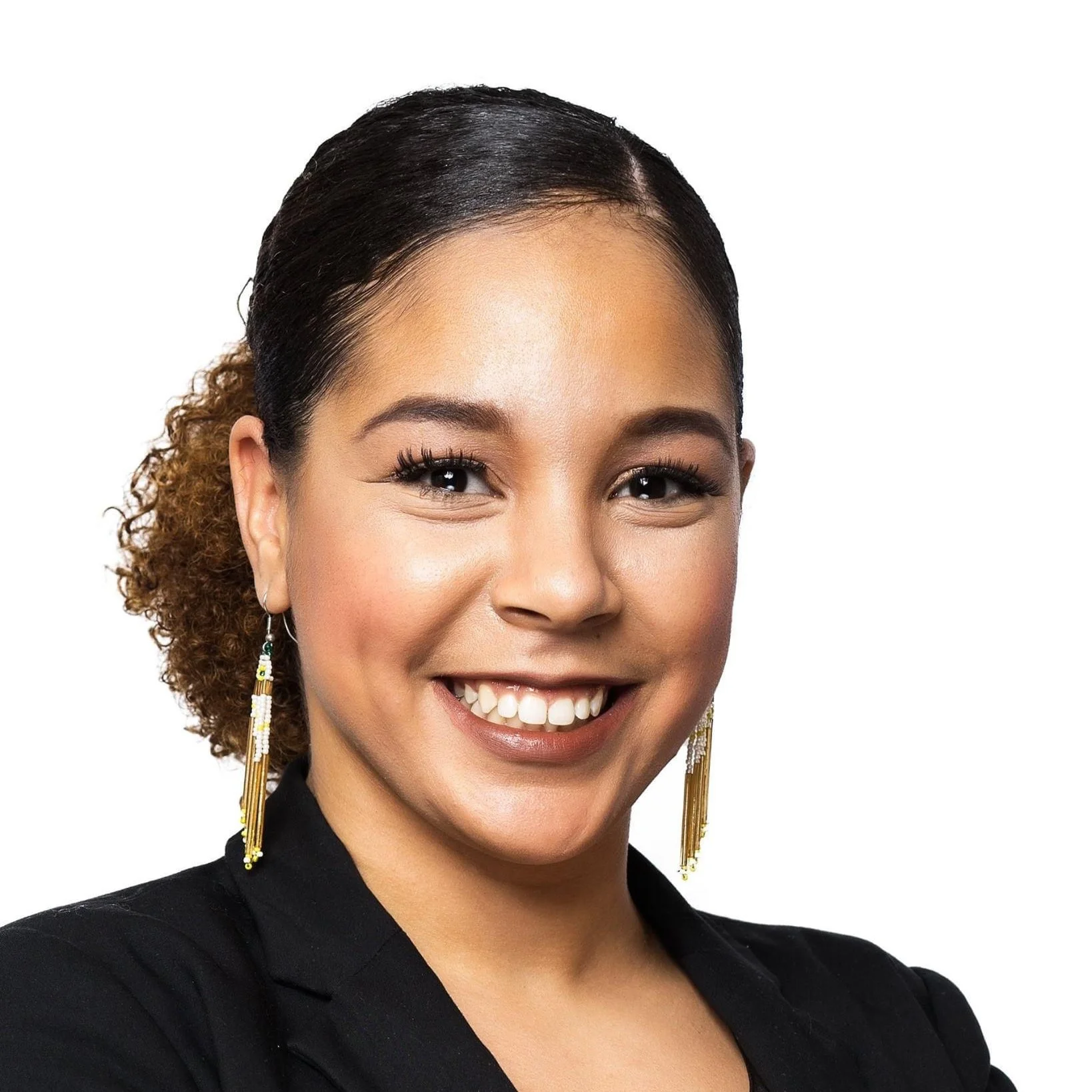
Natteal Battiste
Natteal Battiste (Mi’kmaq and African-American Cisgender women) is the youngest elected Council member for Acadia First Nation. Having graduated from Saint Mary’s University with a Bachelor of Arts in 2014, Battiste has explored careers in Finance, Child Services and Entrepreneurship prior to being elected in office December 2020. A mother to a young daughter, Natteal prides herself as being a leader by example and believes in the concept of transformational leadership as an approach to ending intergenerational trauma. Over the last couple of years, Natteal has began public speaking and presents on Indigenous Resilience, highlighting the importance of unlearning, relearning and applying Indigenous concepts and history as a way to address and acknowledge the systemic racism in Mi’kmaki.
Kenneth bilby
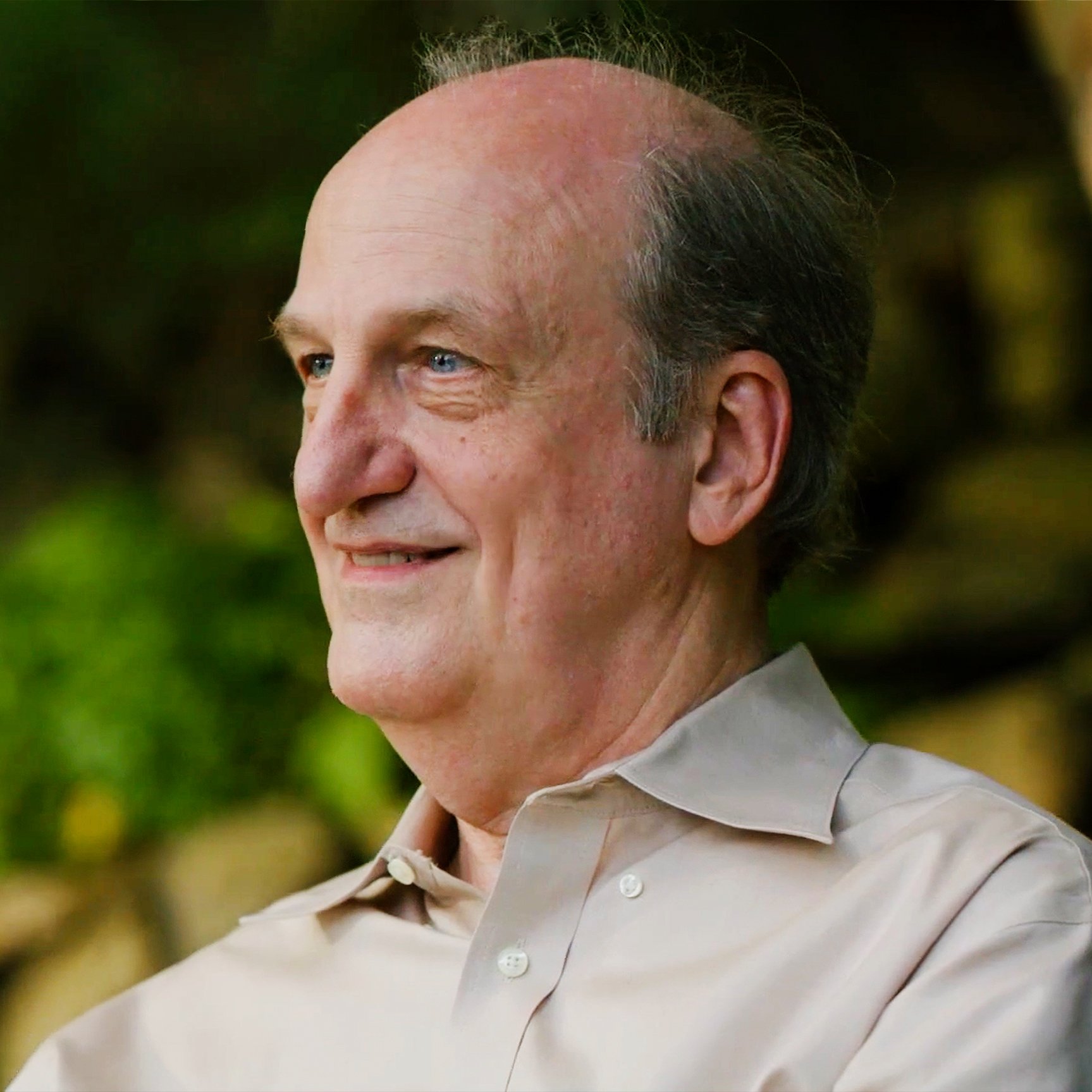
Kenneth M. Bilby is an American anthropologist, ethnomusicologist, and author. His published works include the books Words of Our Mouth, Meditations of Our Heart: Pioneering Musicians of Ska, Rocksteady, Reggae, and Dancehall and many more.
harriet fagan
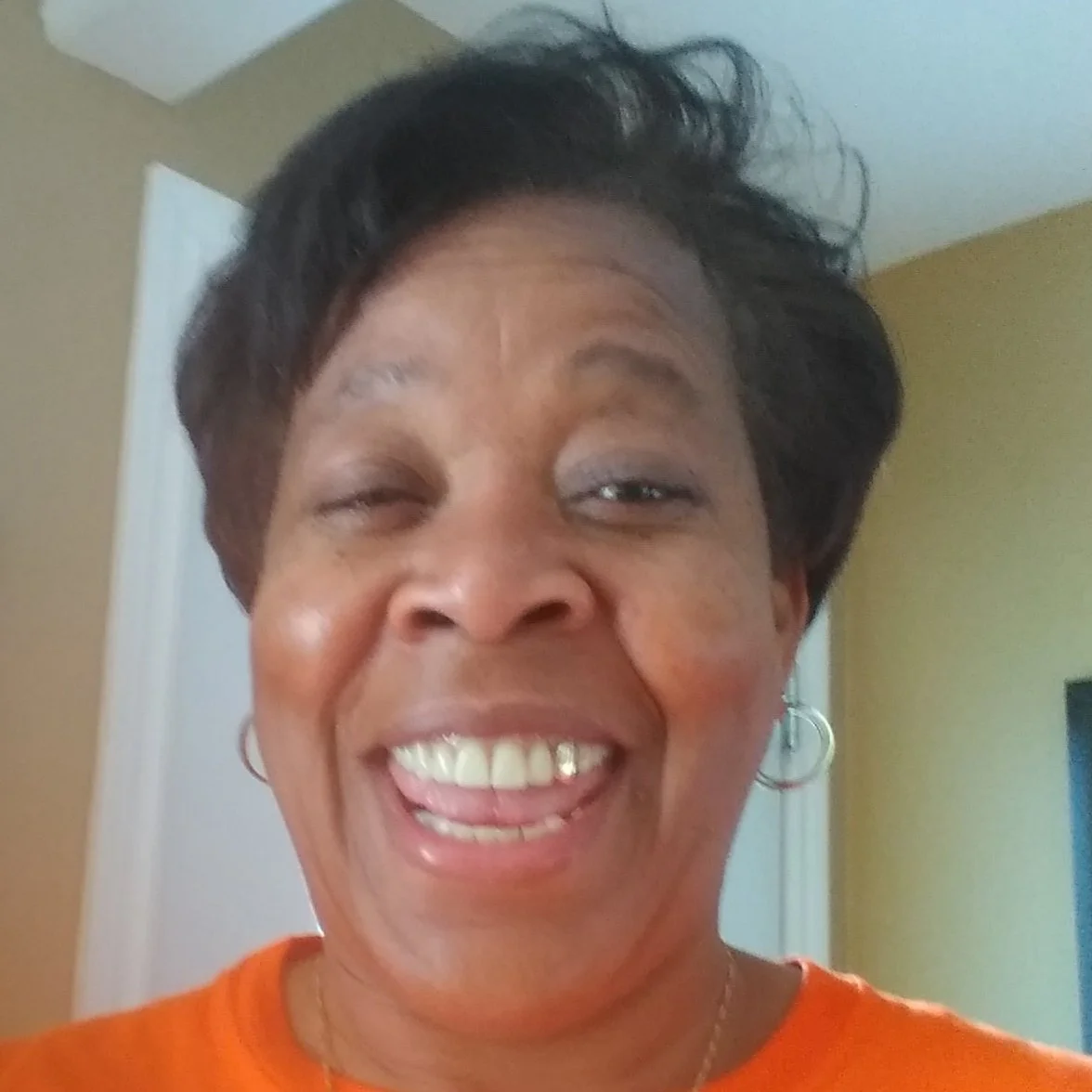
Born in and currently residing in East Preston, Nova Scotia, Harriet is the 3rd oldest of 10 Children born to the late Charlotte Colley. Charlotte was the last child born to the Late James and Harriet (Diggs) Colley. Harriet is the proud mother to 3 Adult children and 3 grandchildren. Harriet has worked in the Human Services field for over 35+ years mainly working with families and youth in crisis. She currently works with Adults living with a Mental Health Diagnosis for the last 19 years. Harriet is proud to say that she is a direct descendant of the Late Governor John Wentworth, The first Lieutenant Governor of Nova Scotia. She credits her late Mother for instilling the importance of knowing one's history, researching your roots, and knowing from whence you came. Harriet happily describes herself as a strong black Woman with Maroon and Jamaican roots and most of all a woman of God.
wayn hamilton
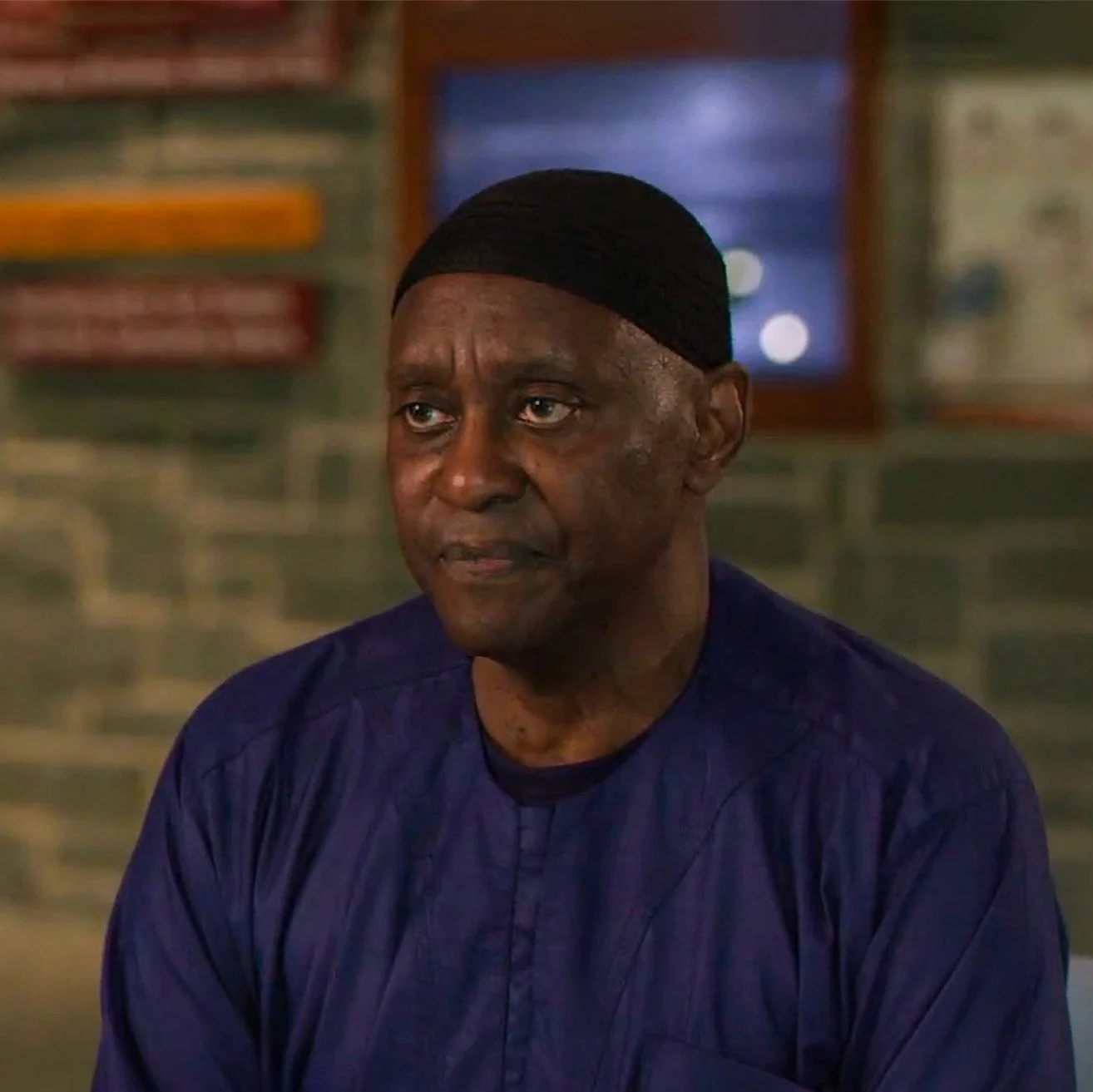
Wayn Hamilton is the Executive Director of African Nova Scotian Affairs (ANSA). He oversees programs that facilitate engagement between the government and the African Nova Scotian community. His focus lies in collaboration, community development, and capacity building. These initiatives encompass work on recognition, justice, development, and the Land Titles Initiative. Wayn has dedicated over 30 years to community development work in both West Africa and Canada.

heather isham
Born in Halifax, Nova Scotia, Heather is a descendant of the James Wentworth/Colley Family, the largest Black Family of Nova Scotia. An Entrepreneur for 20+ years, motivational speaker, mentor and coach to Individuals and Corporations worldwide. With an international network, and known as "Dreamqueen" she provides tools and builds teams of people to empower them with the understanding of entrepreneurship, achieving financial freedom and realizing their dreams. Her 5 year goal is to help at least 10,000 families earn a 6 figure+ a year income and travel the world by teaching educational tools and providing the platforms for achieving their goals.
El jones
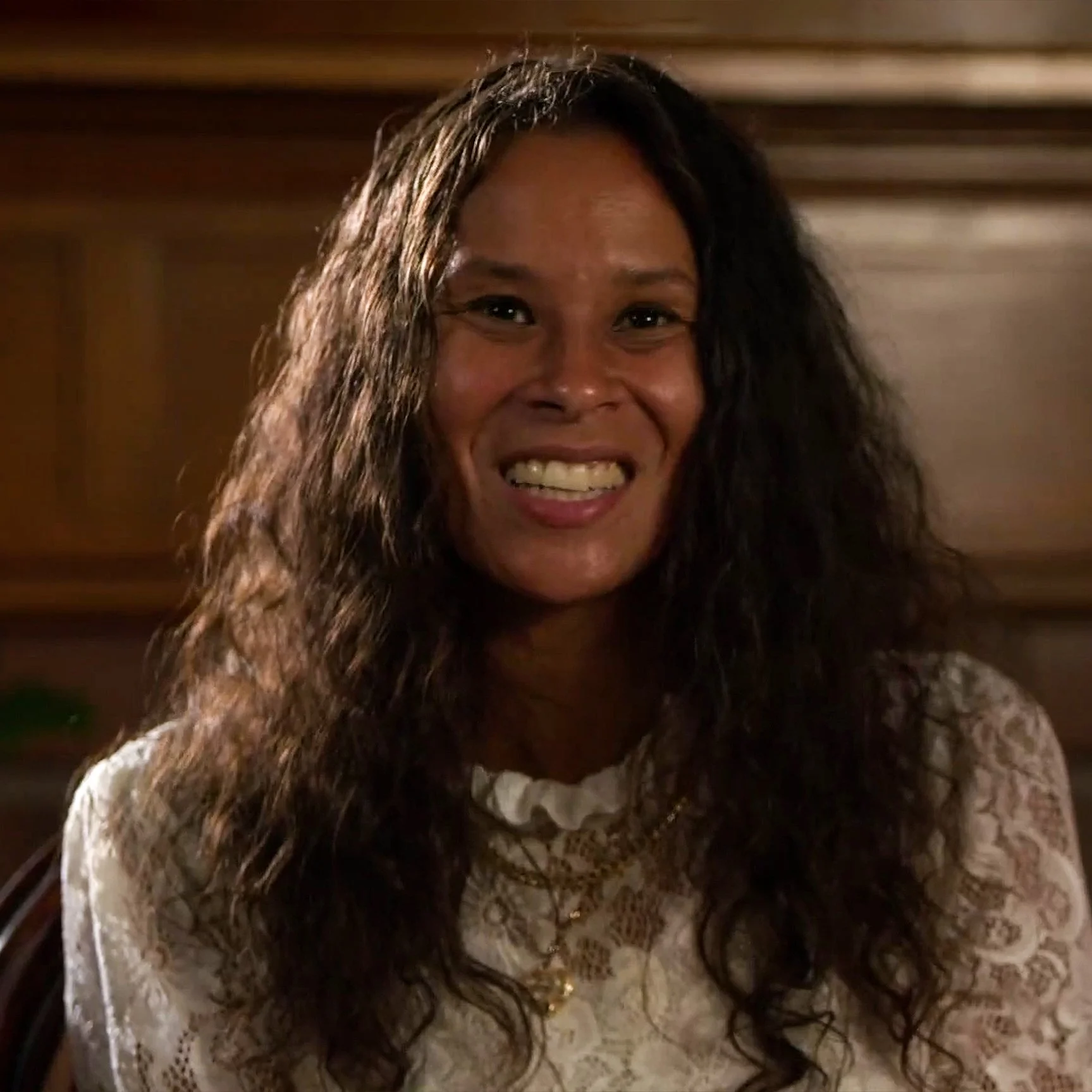
El Jones is a poet, journalist, professor and activist living in Halifax, Nova Scotia. She teaches at Mount Saint Vincent University, where she was named the 15th Nancy’s Chair in Women’s Studies in 2017. She was Halifax’s Poet Laureate from 2013 to 2015. She is the author of Live from the Afrikan Resistance!, a collection of poems about resisting white colonialism. Her work focuses on social justice issues, such as feminism, prison abolition, anti-racism and decolonization.
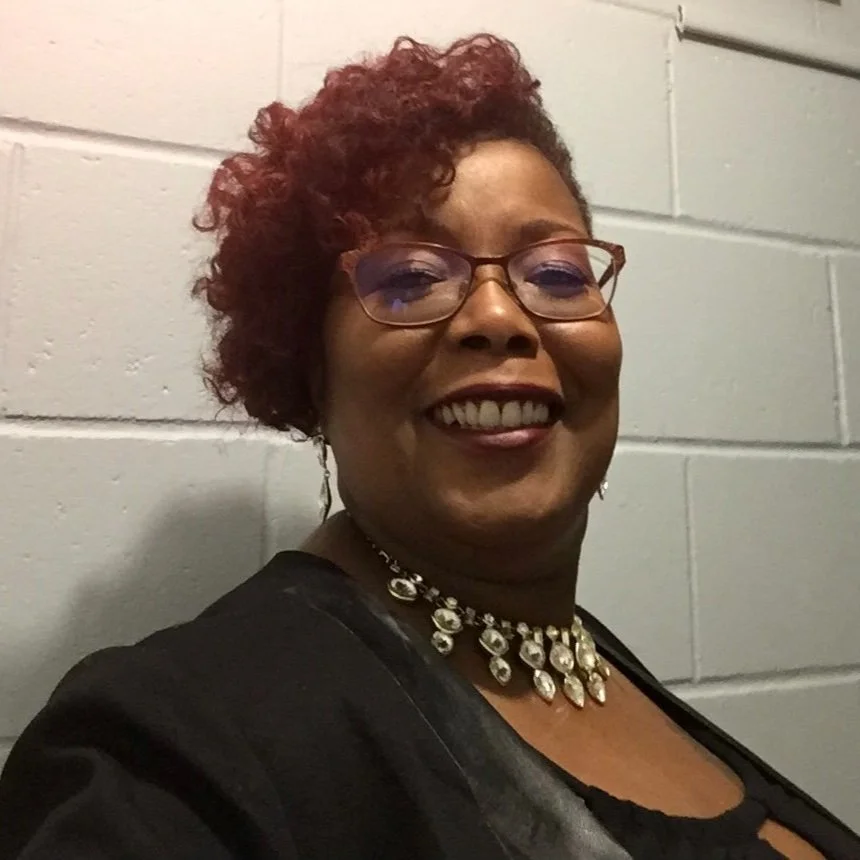
dana colley provo
Dana Colley Provo was born in Halifax Nova Scotia and hails from the Community of East Preston the second largest Black indigenous community in Canada. She has been working for the federal government for over 18 years. Dana is very passionate about social justice issues and has been volunteering with the Union of Safety and Justice Employees for a number of years. She enjoys reading, baking, playing cards and most importantly spending time with my family.
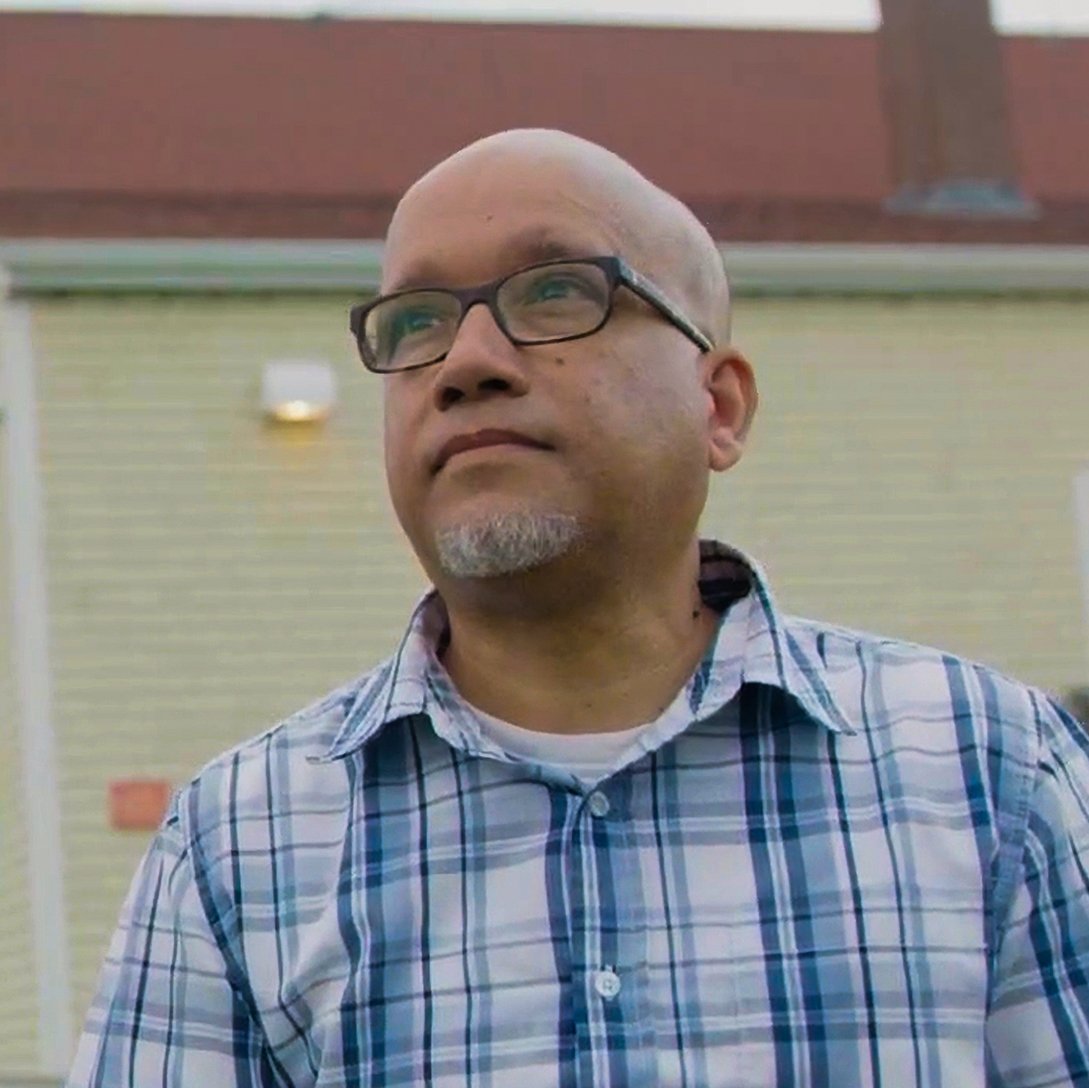
isaac saney
Isaac Saney is on faculty, College of Continuing Education, Dalhousie University, and an adjunct professor, International Development Studies, Saint Mary’s University, both in Halifax, Canada. His research interests are: Cuba, international political economy, ‘race’ and racism, and Black Nova Scotian history, areas on which he regularly lectures and publishes. His teaching and lecturing has encompassed courses on Cuba, Caribbean political economy, law & human rights and African Canadian history, He has published articles in several journals & magazines on these themes.
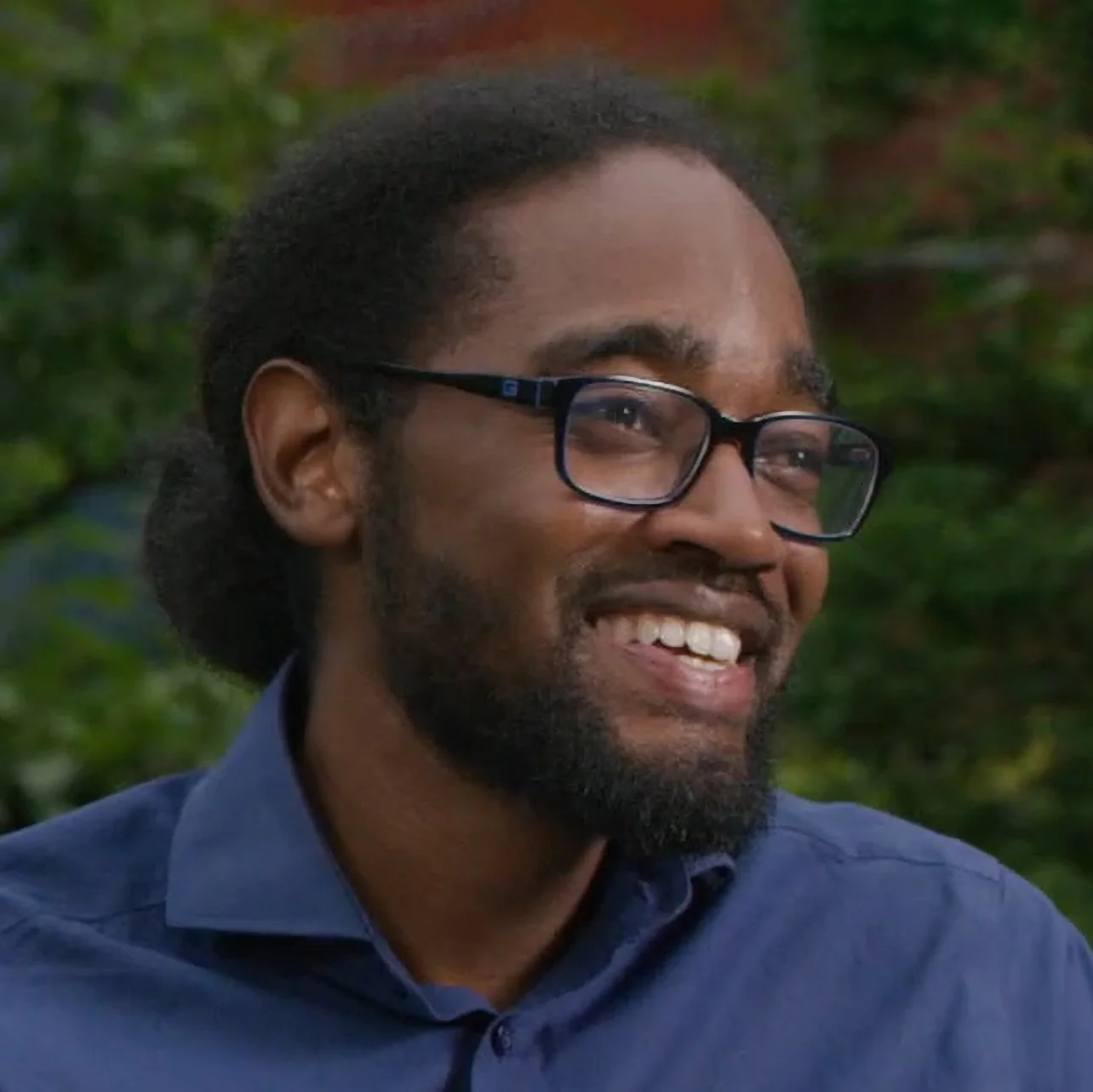
lindell smith
Councillor Lindell Smith is a co-founder of Center Line Studio, a non-profit recording studio for youth who want to express themselves through art and music. In keeping with his concern for the whole community and its diverse needs, and in response to the rapid growth and changes within our neighbourhood, Lindell, along with other community leaders, started “The One North End Project”. This group of community leaders from around HRM aims to ensure that all residents benefit from this rapid growth together by encouraging new hiring practices for local businesses and holding community engagement sessions.
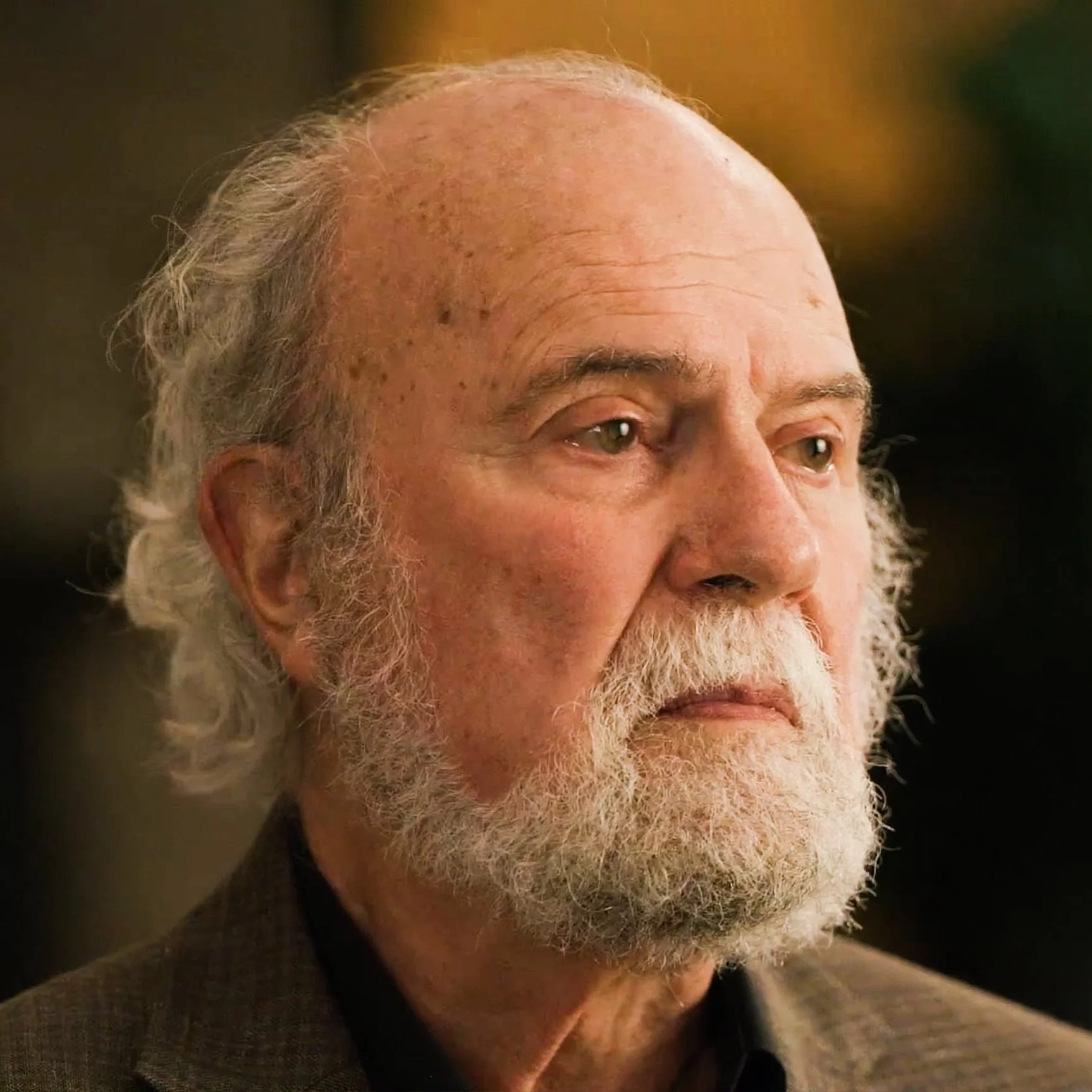
james walker
James W. St.G. (Jim) Walker is Professor Emeritus of History at the University of Waterloo. His book The Black Loyalists, first published in 1976, was republished in 2017 by University of Toronto Press as one of thirty "iconic books that every Canadian should read." He was the Bora Laskin National Fellow for Human Rights Research in 2003-04, was elected a Fellow of the Royal Society of Canada in 2013, and became a Member of the Order of Canada in 2016. He has published numerous books and articles on African-Canadian history, human rights, and racism and anti-racism.
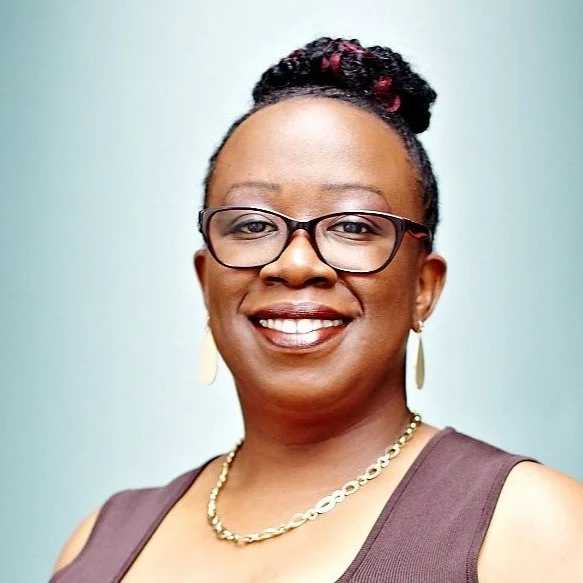
Natasha Henry
Natasha Henry is an award-winning author and an award-winning curriculum developer, focusing on Black Canadian experiences. She is a historian and has been an educator for 22 years. Natasha is the current president of the Ontario Black History Society. Natasha Henry is a PhD candidate in the Department of History at York University. The 2018 Vanier Scholar is researching the enslavement of African people in early Ontario. Her publications include Emancipation Day: Celebrating Freedom in Canada (June 2010), Talking about Freedom: Celebrating Freedom in Canada (2012), a number of youth-focused titles, and several entries for the Canadian Encyclopedia on African Canadian history. Through her various professional, academic, and community roles, Natasha’s work is grounded in her commitment to research, collect, preserve, and disseminate the histories Black Canadians.
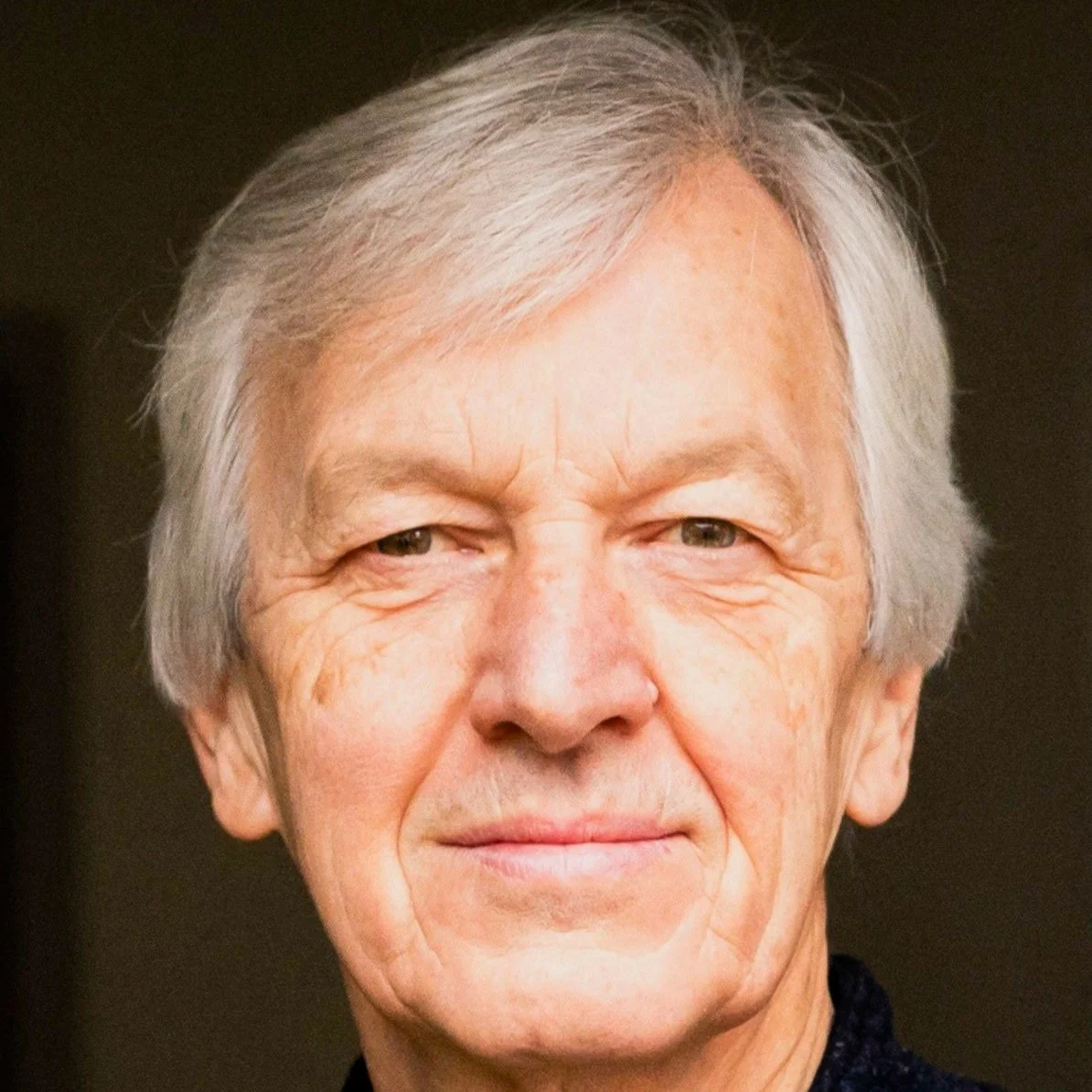
Peter Meyler
Peter Meyler loves discovering our untold histories. His research has led to two books, many articles and presentations. He is co-author of A Stolen Life: Searching for Richard Pierpoint and editor of Broken Shackles: Old Man Henson From Slavery to Freedom. Articles have appeared in the Toronto Star, the Globe and Mail and Canada's National History Magazine. His research has uncovered information on a number of Black Canadians including John "Daddy" Hall, Sophia Burthen, Lemuel Brown and Larry Gains.
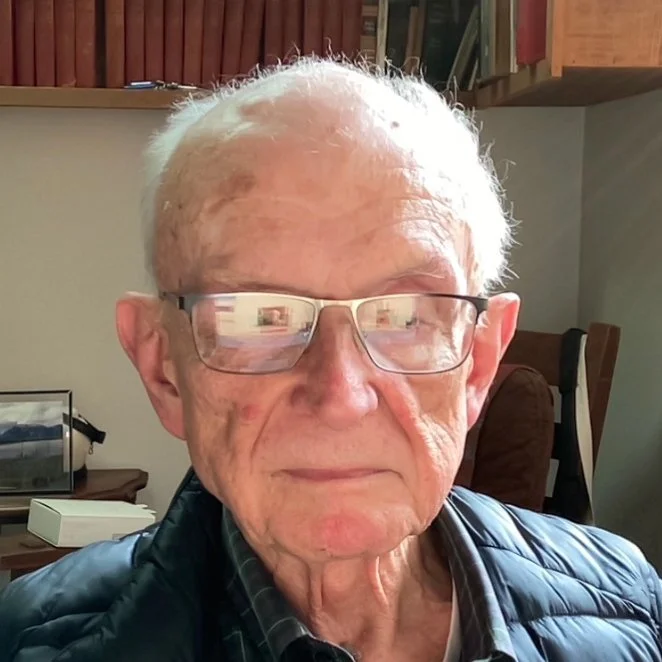
Crawford killian
Crawford Kilian is the author of Go Do Some Great Thing: The Black Pioneers of British Columbia and over 20 other books. He has published almost 800 articles in The Tyee, a Vancouver online magazine, many of them on the experiences of Black British Columbians. He taught English and Communications at Capilano College in North Vancouver from 1968 to 2008.

Esi Edugyan
Esi Edugyan is a Ghanaian Canadian novelist whose work has become an influential part of the Canadian literary canon. Imbued with an interest in Black histories and the Black diaspora, her novels explore ideas of nation and belonging — to new and old cultures and countries, to “here” and “away,” to the present and the past. They also examine the effects of Black migration and the resulting presence of Black subjects in predominantly white societies. Her novels Half-Blood Blues (2011) and Washington Black (2018) both won the Scotiabank Giller Prize, making her only the third writer (with Alice Munro and M.J. Vassanji) to win the award twice.
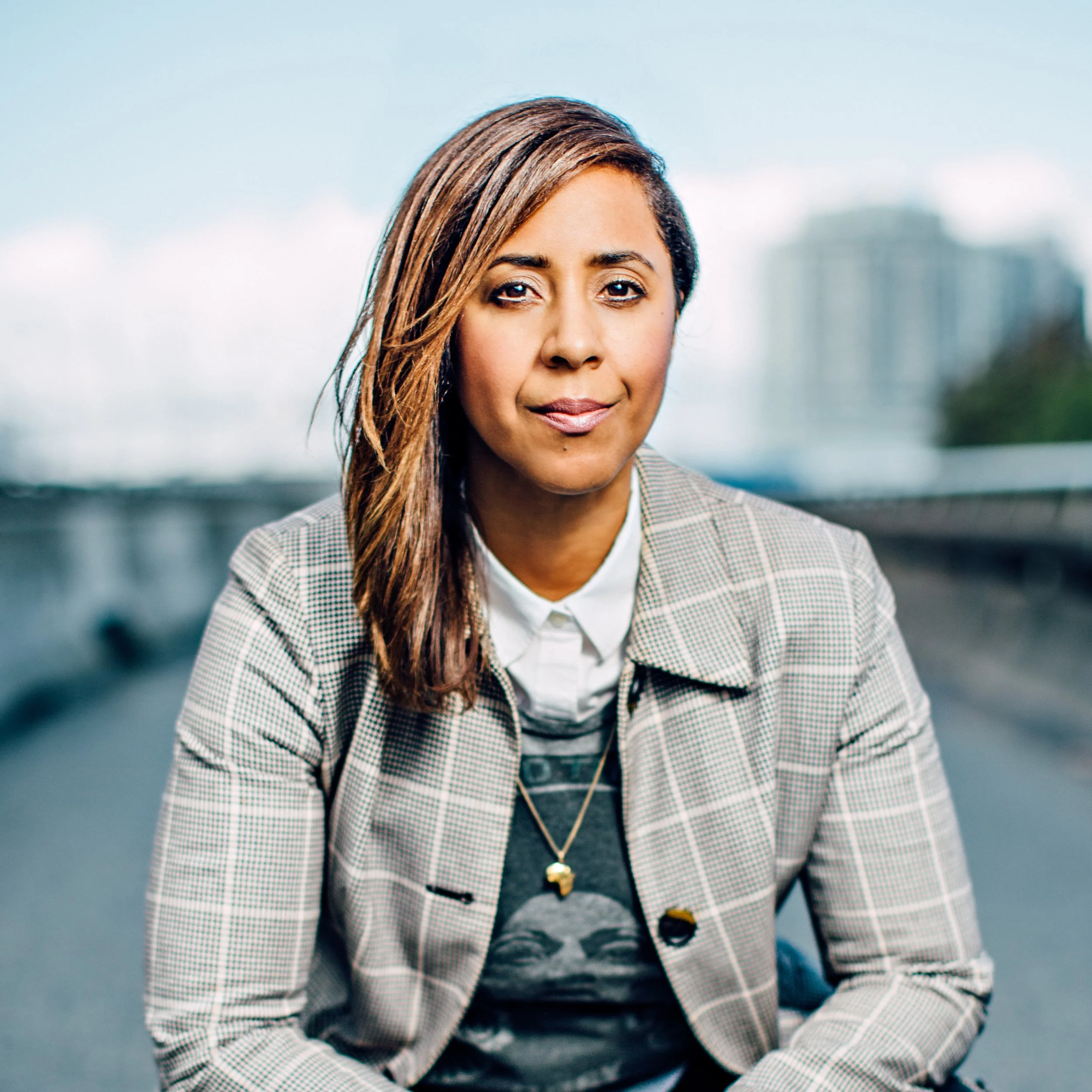
Stephanie Allen
Stephanie Allen is a housing development specialist based in Vancouver, Canada whose work focuses on building affordable, equitable communities. She is the vice president of strategic business operations and performance for BC Housing.
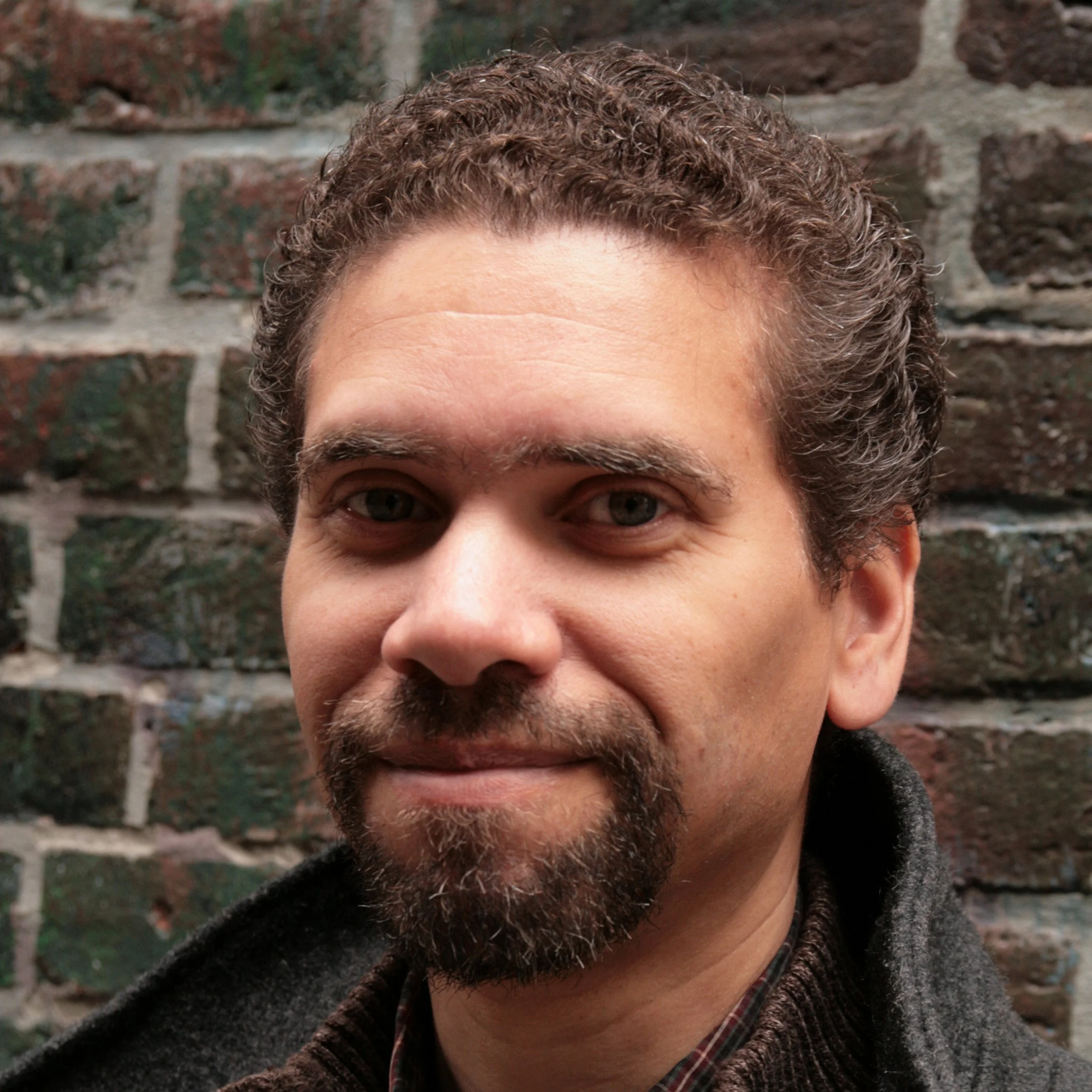
Wayde Compton
Wayde Compton has written five books and has edited two literary anthologies. His collection of short stories, The Outer Harbour, won the City of Vancouver Book Award in 2015 and he won a National Magazine Award for Fiction in 2011. His work has been a finalist for two other City of Vancouver Book Awards as well as the Dorothy Livesay Poetry Prize. From 2012-18, he directed the Creative Writing Program in Continuing Studies at SFU. Compton is currently the chair of Creative Writing at Douglas College in New Westminster, BC.
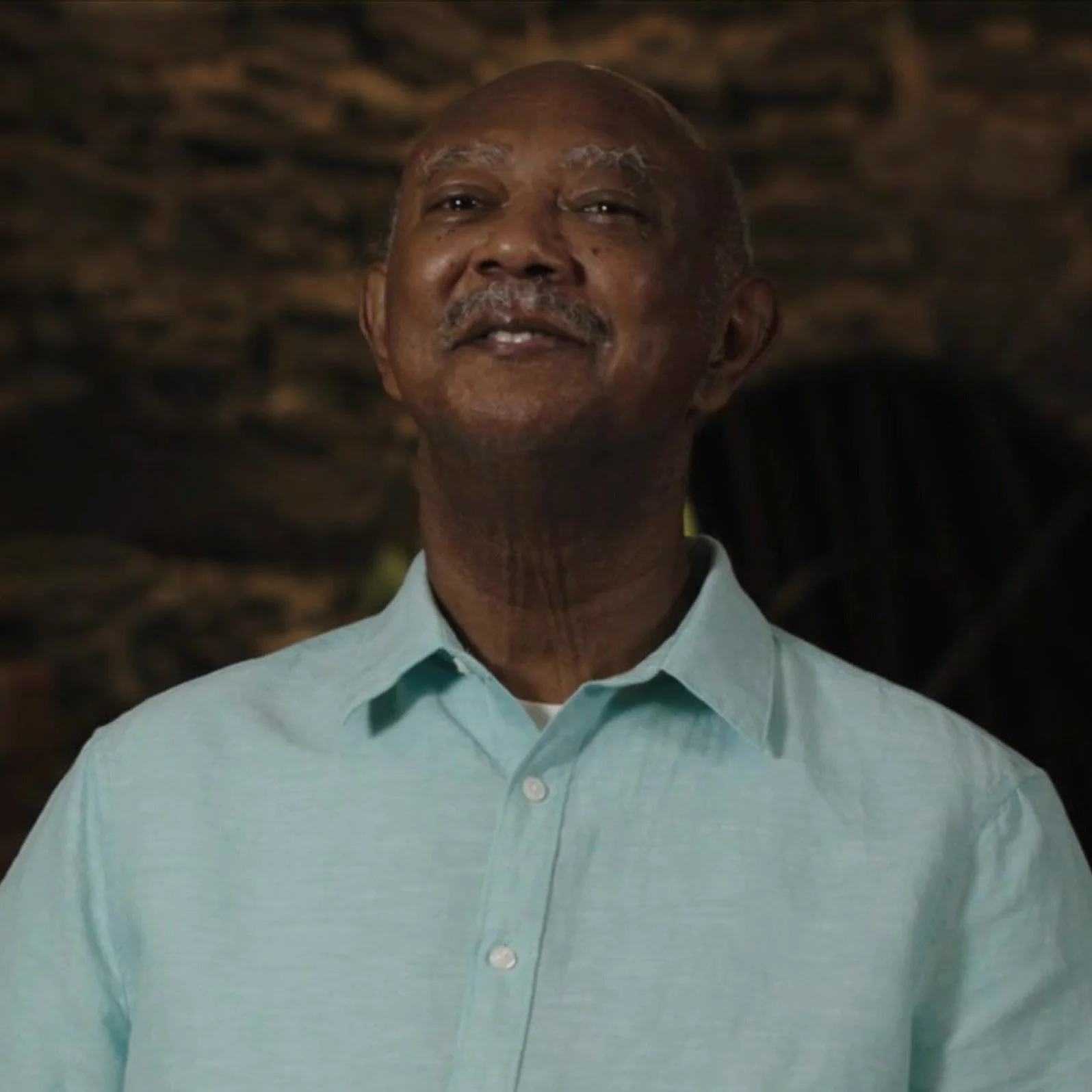
Charles Ellison
Charles Ellison's areas of specialization in Jazz Studies and trumpet performance where he teaches in Concordia.
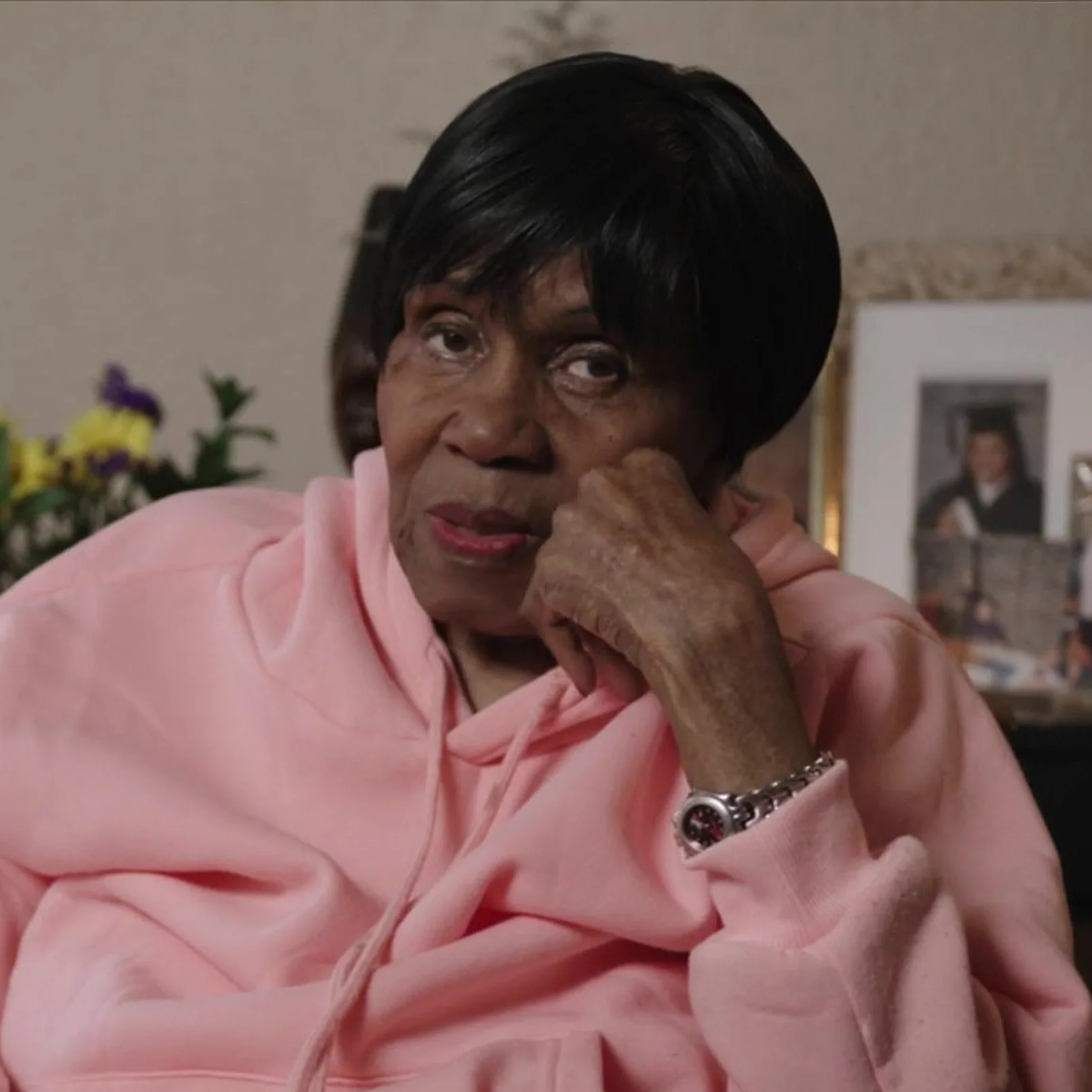
Ethel Bruneau
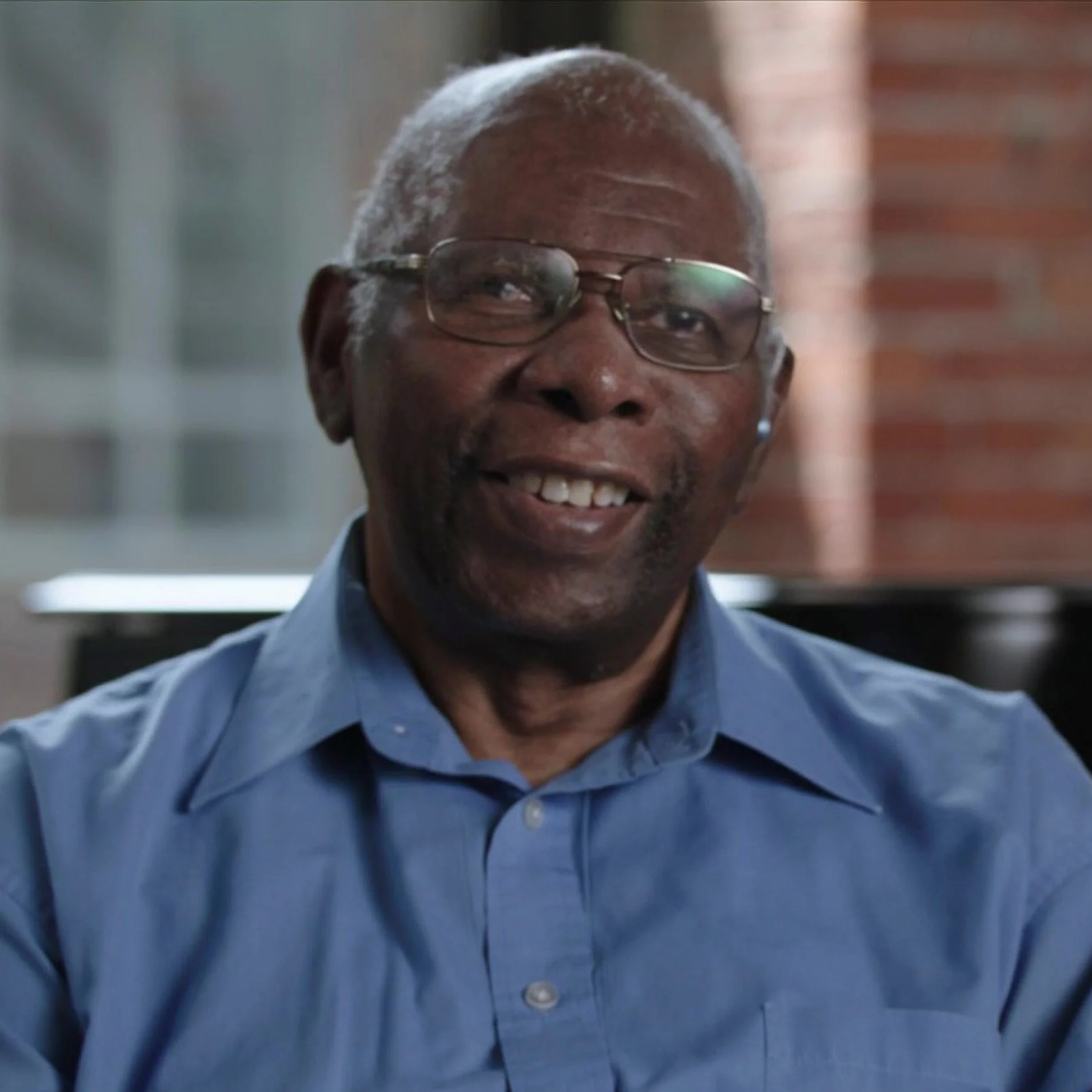
oliver jones
ralph whims
sam agee
Dawson City, Yukon
1910 - 1913 - Dawson City Hockey League Championship
Sam Agee, a pioneering Black athlete and member of one of the Yukon's earliest Black families, made history as the first Black hockey player in Canada's far north. A star player with Dawson City’s Renzonis, he helped lead his team to the Dawson City Hockey League Championship in 1910.
Agee’s achievements highlight the often-overlooked history of Black communities in the far North and their contributions to Canadian sports and culture. The story of Sam Agee broadens our understanding of Black Canadian history, making us question what we consider distinctly Canadian.
amber valley
North of Edmonton, Alberta
1910
Amber Valley was the world's northernmost Black settlement. In 1910, Canada's call for immigration to “the Last Best West” appealed to the Black Oklahomans who were fleeing the escalating racial violence, Jim Crow laws, and race riots that permeated the American South. Henry Sneed organized 30 Black families to journey north to the prairies, and their arrival shocked the Canadian government. Despite the administration's efforts to restrict their migration, they were granted land, isolated and barren, North of Edmonton, which became known as Amber Valley. At its peak, Amber Valley was home to 350 residents, with a Post office, school, church, and even a beloved baseball team that bridged racial divides with neighbouring white communities.
Despite escaping oppression in the American South only to face new forms of discrimination in Canada, the residents of Amber Valley persevered and built a strong community. Amber Valley provided Black settlers with the opportunity to establish lasting roots in Canada. Although the community eventually dispersed, its historical and cultural legacy remains an important part of Western Canadian history.
Gloria Baylis
Montreal, Quebec
1929-2017
Gloria Baylis was a Barbadian-Canadian nurse, civil rights activist, and entrepreneur. In 1964, after being denied a nursing position at Montréal’s Queen Elizabeth Hotel due to her race, she launched a legal challenge that became the first successful employment-based racial discrimination case in Canadian history. Baylis later went on to found Baylis Medical Company, which grew into one of Canada’s leading medical technology firms.
Gloria Baylis's landmark legal victory established a significant precedent for challenging racial discrimination in Canadian workplaces, demonstrating that human rights legislation could be used to hold employers accountable. Her courage helped advance the fight for racial equality in Canada. Baylis’s later success as a business leader and mentor highlights the contributions Black Canadians have made to medicine, entrepreneurship, and community development. Her legacy continues through the Gloria Baylis Foundation, which supports Black health professionals and promotes equity in healthcare.
billy beal
Manitoba
1906
William “Billy” Beal was one of the earliest documented Black settlers in Manitoba and a self-taught photographer. Beal’s photographs of rural life in the Swan River Valley between roughly 1915 and 1925, as well as his contributions as an engineer, community leader, and educator are noteworthy. Through his photography, Beal documented the daily experiences of settlers on the Prairies, creating a rare visual record of early twentieth-century Manitoba from the perspective of a Black Canadian.
Billy Beal’s images capture people often overlooked in history. He too, not fully recognized in art history, represents what many early Black settlers experienced. Beal’s photographs and community involvement help challenge the misconception that Black Canadian history is limited to major urban centres, demonstrating the important role Black Canadians played in the development of Prairie communities.
carrie best
New Glasgow, Nova Scotia
1903 - 2001
Carrie Best was a trailblazing human rights activist, journalist, publisher, author, and broadcaster who used her platforms to demand justice for Black Canadians. Best co-founded The Clarion, one of Nova Scotia's first Black-owned newspapers, and hosted The Quiet Corner, a radio program that reached audiences across four Maritime stations for over a decade.
Best spent decades as an advocate for both Black and Indigenous rights in Nova Scotia. She personally challenged racial segregation at the Roseland Theatre, championing Viola Desmond's landmark case through her own press. At a time when Black Canadians were largely shut out of public life, Best took a stand through journalism and broadcasting, making her one of the most consequential and underrecognized figures in Canadian civil rights history.
The Bog
Charlottetown, PEI
Established 1814
PEI’s “The Bog” was a historic Black neighbourhood located in the west end of Charlottetown that was once home to formerly enslaved Black Loyalists and other Black residents beginning in the early 1800s. At its peak, the community housed approximately 200 residents, many of whom worked as labourers and domestic workers. What was once a tight-knit and supportive community was lost due to outmigration, intermarriage, and urban redevelopment in the late 19th and early 20th centuries. This led to the forgotten presence of The Bog and its disappearance beneath government buildings and parking lots.
Despite facing marginalization and poverty, The Bog residents built a strong community, home to significant institutions and figures, including the Bog School, the first integrated school in Prince Edward Island, as well as boxer George Godfrey, World ‘Coloured’ Heavyweight champion, and the West End Rangers, an all black hockey team. The Bog serves as an important reminder of the long-standing presence and contributions of Black communities in Canada that are often forgotten.
buxton settlement
Buxton, Ontario
Established 1849
Founded in 1849 by Reverend William King as the Elgin Settlement, Buxton was established as a refuge for freedom seekers who had escaped enslavement in the United States through the Underground Railroad. At its peak, the Buxton settlement was home to 1,000 to 2,000 residents, which was a high population for the era. The settlement became known for its successful farms, high-quality schools, and a thriving community life. Following the abolition of slavery in the United States, many residents left Buxton to help rebuild communities in the American South during Reconstruction. Today, the settlement is known as North Buxton, a small rural community in Ontario.
The Buxton Settlement was one of the most successful Black communities in North America during the 19th century. It provided formerly enslaved people with opportunities for land ownership, education, and economic independence, demonstrating the strength and achievements of Black Canadians in the face of discrimination.
caribana (the toronto caribbean carnival
Toronto, Ontario
Established 1967
Toronto Caribbean Carnival, most commonly called by its former name Caribana, is the largest celebration of Caribbean culture in North America. First organized in 1967, the festival celebrates the cultural contributions of Caribbean Canadians and commemorates emancipation from slavery. Through music, dance, costume, food, boat cruises, and the iconic Grand Parade, rich Caribbean traditions and creative expression are on display. Beginning as a one time event to celebrate Canada's Centennial, it has grown into the largest annual street festival in North America, attracting nearly two million visitors to Toronto annually.
Caribana is more than a festival, it is one of the most important public expressions of Black and Caribbean identity in Canada. Caribana brings Caribbean traditions into the national cultural landscape along with the annual hundreds of millions of dollars into the local economy.
george dixon
Africville, Halifax, Nova Scotia
1870 - 1908
Born in Africville, George Dixon stood just 5 feet 3 inches tall yet amassed a remarkable 20-year career as a bantamweight and featherweight boxer, becoming the first boxer to win world titles in multiple weight classes. A technically brilliant fighter, he is credited with revolutionizing the sport itself, pioneering the art of scientific boxing, and inventing both shadowboxing and training on the heavy bag.
George Dixon was not only the first Canadian but the first Black athlete anywhere in the world to win a world championship. Dixon used his platform to create opportunities for Black boxers and fans, regularly contributing his in-ring earnings to combat discrimination, and he insisted that promoters reserve seats at the front for Black fans so they wouldn't be relegated to the back. Dixon helped open doors for future Black Canadian boxing champions, including Sam Langford and Larry Gains.
dawn settlement
Near Dresden, Ontario
1841
After escaping slavery in Maryland and Kentucky in 1830, Josiah Henson settled in Upper Canada and co-founded the Dawn Settlement in Dresden in 1841. Following the growth of the Underground Railroad in the 1840s and 1850s, the Dawn Settlement became home to a large population of formerly enslaved Black Americans seeking freedom and opportunity in Canada. Residents built churches, farms, businesses, and schools, including the British American Institute of Science and Industry, one of the earliest vocational schools in Canada.
The Dawn Settlement stands as a powerful example of Black freedom when given land and safety. Its residents farmed, built industries, and sent at least 1,000 men to fight in the Union Army during the American Civil War. Dresden represents the success and resilience of Black settlers who transformed the town into a thriving community. It remains an important symbol of Black migration, community-building, and the pursuit of freedom in Canadian history.
elm hill
New Brunswick
1806
Elm Hill is a small community outside of Gagetown, New Brunswick, founded in 1806 by Black Loyalists who were promised land and freedom in exchange for their loyalty to the British Crown. It was once a thriving farming community where residents were known for being hard-working and supportive of one another, with churches and a school serving the community.
Elm Hill is considered one of Canada's earliest Black settlements and the last surviving Black Loyalist community in New Brunswick. Though fewer than 50 people live there today, the community's descendants continue to gather annually to preserve their heritage, emphasising that without the urgent awareness, this founding chapter of Black Canadian history is at risk of being lost.
lucille hunter
Bonanza Creek, Dawson City, Grand Forks, and Whitehorse, Yukon
1878 - 1972
Lucille Hunter was one of the first Black women to arrive in the Yukon during the Klondike Gold Rush. Travelling from Michigan with her husband Charles in 1897 while pregnant, she helped stake mining claims, worked as a prospector and miner, and spent decades building a life in the Yukon.
Lucille Hunter's story highlights the often-overlooked contributions of Black women to Canada's northern history. As one of the few documented Black women prospectors and miners during the Klondike Gold Rush, she challenged racial and gender barriers and became a symbol of resilience and pioneering spirit in the Yukon.
Violet King
Calgary, Alberta
1954
In 1953, Violet King Henry made history as the first Black person to earn a law degree in Alberta, and the following year became the first Black woman called to the bar in Canada. She carried that trailblazing spirit with her to the United States, where she was appointed to a senior executive role with the YMCA, continuing her work as a leader and advocate.
Violet King broke racial and gender barriers in the legal profession at a time when the legal institutions were very hostile to both. King proved that Black women belonged, and her achievements opened doors for future generations of Black lawyers, demonstrating the importance of representation in leadership.
Dudley Laws
Toronto
1934 - 2011
Dudley Laws became one of the most influential Canadian civil rights activists, tirelessly campaigning against police brutality, racial profiling, and inequities within the justice system. Through decades of advocacy as a community leader, Laws helped establish numerous major organizations, including co-founding the Black Action Defence Committee (BADC) in 1988. Laws built the BADC into one of the most formidable civil rights organizations in Canadian history, advocating not only for Black Canadians but for First Nations, Filipino, South Asian, and Sikh communities.
Law's activism was instrumental in the creation of not only the BADC but Ontario’s Special Investigations Unit (SIU), Canada’s first civilian agency responsible for investigating incidents involving police misconduct. Beyond this institutional legacy, Law's work transformed the national conversation around race and empowered Black communities to advocate for their rights and demand accountability from public institutions.
perro lenoire
(likely Fort Selkirk area), Yukon
1848
Perro Lenoire worked as a hunter and laborer for the Hudson's Bay Company as early as 1848. He is the earliest recorded Black person in what is now the Yukon, marking Black Canadians' presence in the far north long before Confederation and the Klondike Gold Rush.
Lenoire’s presence establishes Black Canadians' involvement in the north during the era of the fur trade, highlighting that Black people helped shape the northern frontier. His story challenges the common narrative that Black Canadians were absent from northern history.
Order of Sleeping Car Porters (OSCP)
Winnipeg, Manitoba
1925 - 1978
At the height of Canada's railway travel, a sleeping car porter — a position physically demanding, racially discriminatory, and almost exclusively filled by Black men — represented one of the only stable employment opportunities available to Black Canadians. Refusing to accept those conditions, porters organized through unions like the Order of Sleeping Car Porters and the Brotherhood of Sleeping Car Porters to fight for fair wages, humane working conditions, and basic workplace equality.
As the first black railway union in North America the Order of Sleeping Car Porters was a pioneer in Canada's labour and civil rights movements. Their efforts to unionize led to gains in wages, working conditions, and workplace equality, including the first collective agreement between a Black union and a white employer in Canada in 1945. Their activism laid the groundwork for future Black Canadian civil rights movements and helped challenge systemic racism in Canadian society.
William o’ree
Fredericton, New Brunswick
NHL Debut: Jan. 18, 1958
Willie O'Ree is a Canadian hockey player who became the first Black player in the National Hockey League (NHL) when he debuted with the Boston Bruins in 1958. Despite facing racism throughout his career, O'Ree continued to excel in professional hockey and later became a leading advocate for diversity and inclusion in the sport.
Willie O'Ree broke the NHL's colour barrier and paved the way for generations of Black hockey players. His achievements challenged racial discrimination in professional sports and helped make hockey more inclusive for players from diverse backgrounds. O’Ree’s legacy is now immortalised as an honoured member of the Hockey Hall of Fame and is one of the few Canadians honored in the Smithsonian’s National Museum of African American History and Culture.
Peter Risby
Ross River and Indian River Valley, Yukon
1931 - 2011
Peter Risby was a prospector, mine developer/operator, and entrepreneur of Black and German parentage who became one of the most successful mining and social entrepreneurs in Northern Canada. After fleeing persecution from the Ku Klux Klan, Risby’s family fled from Kansas to Northern Alberta near Bigstone Cree Nation, where Peter grew up. In 1957, after serving in the Korean War, Risby moved to the Yukon, where his strong interest in geology and his keen observation of the natural world led him to important mineral discoveries. He co-founded mining ventures, helped open new resource regions, and built the successful Indian River placer mine, which contributed significantly to the Yukon economy.
Peter Risby's life story matters in Canadian Black History because it reflects both the challenges and resilience of Black families who sought refuge from racism in the United States and helped build Canada. Throughout his career, he championed Indigenous partnerships and promoted opportunities for women and people of colour in mining. His achievements as a prolific prospector/mining developer, community leader, and advocate for inclusion broke racial barriers, earning him induction into the Canadian Mining Hall of Fame as its first Black inductee.
shiloh (maidstone)
Saskatchewan
1910
In the early 1900s, a wave of Black settlers from Oklahoma and across the American South migrated to the prairies of Saskatchewan in search of land ownership and greater opportunities. The Shiloh Homesteaders were a group of 12 families that built a thriving community anchored by the Shiloh Baptist Church near Maidstone, complete with farms, schools, and businesses, despite facing harsh environmental conditions and racial discrimination.
The Shiloh settlement was one of the earliest and most successful Black farming communities in Western Canada. The perseverance of the homesteaders dismantled racist assumptions about who could settle and succeed on the Prairies while helping shape Saskatchewan's agricultural and cultural history. Today, their descendants continue to preserve that legacy, Black pioneers who made significant contributions to the development of Canada.
Henry Sneed
Amber Valley, Alberta
1848 - 1914
Reverend Henry Sneed was an important figure in Amber valley, Alberta, one of the largest and most prosperous Black communities in Canada during the early 20th century. Rev. Henry Sneed helped organize and guide 194 African Americans north to Canada in search of greater opportunity and freedom from the intensifying racism in the United States.
Henry Sneed’s leadership helped create a safe and supportive community for Black settlers during a time of widespread discrimination and segregation. His efforts reflect the resilience, determination, and leadership of Black pioneers who helped shape Canadian history despite significant barriers.
Sir George Williams Affair
Montréal, Québec
1968 - 1969 (ending on Feb. 11, 1969)
The Sir George Williams Affair was a landmark student protest against anti-Black racism at Sir George Williams University (now Concordia University). After six Black Caribbean students accused a biology professor of racial discrimination and Sir George Williams University failed to act, over 200 students occupied the university's computer centre for 13 days in one of the largest student protests in Canadian history. The protest drew broad support from many non-Black students who joined in solidarity with Black students and called for greater institutional accountability. The protest ended on February 11, 1969, when police entered the building, resulting in a fire, extensive property damage, and 97 arrests.
The Sir George Williams Affair shattered the myth that systemic racism was an American problem, exposing its deep roots within Canadian institutions, and sparked activism and national conversations about racial discrimination, civil rights, and institutional accountability. In 2022, Concordia University formally apologized for the handling of the events and their lasting impact on those involved.
Willow Grove
New Brunswick
1815 - 1817
During the War of 1812, the British offered freedom in exchange for enslaved African Americans' support, and of them, 400 took that offer and journeyed north aboard the HMS Regulus to New Brunswick in 1815. After arriving, many settled in Willow Grove, where they faced significant discrimination and inequality. The Black settlers were given substantially smaller and poorer land than their white counterparts, and instead of ownership, they were given three-year licenses of occupation. They faced strong restrictions, which prevented them from living in the nearby city, owning businesses, and voting.
In the face of adversity, the residents of Willow Grove worked tirelessly to build a thriving community. Over the decades, they fought for their land rights, and in time, secured long-term leases and the ability to purchase their land. By the late 1800s, Willow Grove had grown into a successful farming settlement with around 150 residents, a church, post office, and general store. The settlement highlights both the challenges early Black Canadians faced after arriving in Canada and the strong communities they created through resilience and activism.